Japan real estate has attracted a wave of foreign investors. A weak yen, a long-stable rental market in the big cities and the freedom for foreigners to buy freehold make Japan property investment look compelling. This guide explains the Japan real estate market as it stands, typical yields, the main ways foreigners invest, financing and taxes, and the risks that matter most.
Key takeaways
- Foreigners can invest in Japanese property freely, but property investment does not lead to a visa.
- Tokyo and other big cities have seen rising prices and lower yields; rural property is cheap but hard to resell.
- Typical gross yields range from about 3 to 4.5 percent for central Tokyo condominiums to 6 to 10 percent or more in regional areas.
- Most non-residents buy with cash, and the Bank of Japan has been raising interest rates since 2024.
- Currency risk works both ways: the weak yen makes buying cheap, but returns are earned in yen.
- Earthquake standards, building age, management quality and local demand drive long-term returns.
Part 1: The Japan real estate market in 2026
Japan's property market is really several markets. Central Tokyo has had more than a decade of rising prices, driven by low interest rates, domestic and foreign investors and a steady inflow of people, and the average price of a new condominium in the 23 wards has passed 100 million yen. Osaka, Fukuoka, Sapporo and Nagoya have followed to varying degrees.
At the same time, Japan's population is shrinking and the 2023 Housing and Land Survey counted about 9 million vacant homes. In many rural towns prices are flat or falling, buyers are few and rents are low. For an investor, the question is not whether to invest in Japan but where and in what.
Part 2: Typical yields
Gross yield is the annual rent divided by the price, before costs. As a broad guide at the time of writing:
- Central Tokyo condominiums: about 3 to 4.5 percent gross.
- Outer Tokyo, Osaka and Fukuoka apartments: about 4 to 6 percent.
- Whole apartment buildings in regional cities: about 6 to 9 percent.
- Rural houses rented long term: sometimes 8 to 15 percent on paper, with higher vacancy and resale risk.
Net yields are typically one to two percentage points lower after management fees, building management and repair reserves for condominiums, property tax, insurance and vacancies. In rural areas a single empty year can wipe out several years of high yield.
Part 3: Main ways foreigners invest in Japanese property
1. Studio and one-bedroom condominiums
Buying individual units in a condominium building is the most common entry point. Tenant demand from single workers and students is deep in the big cities, management is outsourced and the units are relatively liquid. Check the building's management association, its repair reserve fund and the long-term repair plan.
2. Whole apartment buildings
Small wooden or steel apartment buildings in regional cities offer higher yields and full control, but need more active management and a budget for major repairs.
3. Akiya and kominka renovation
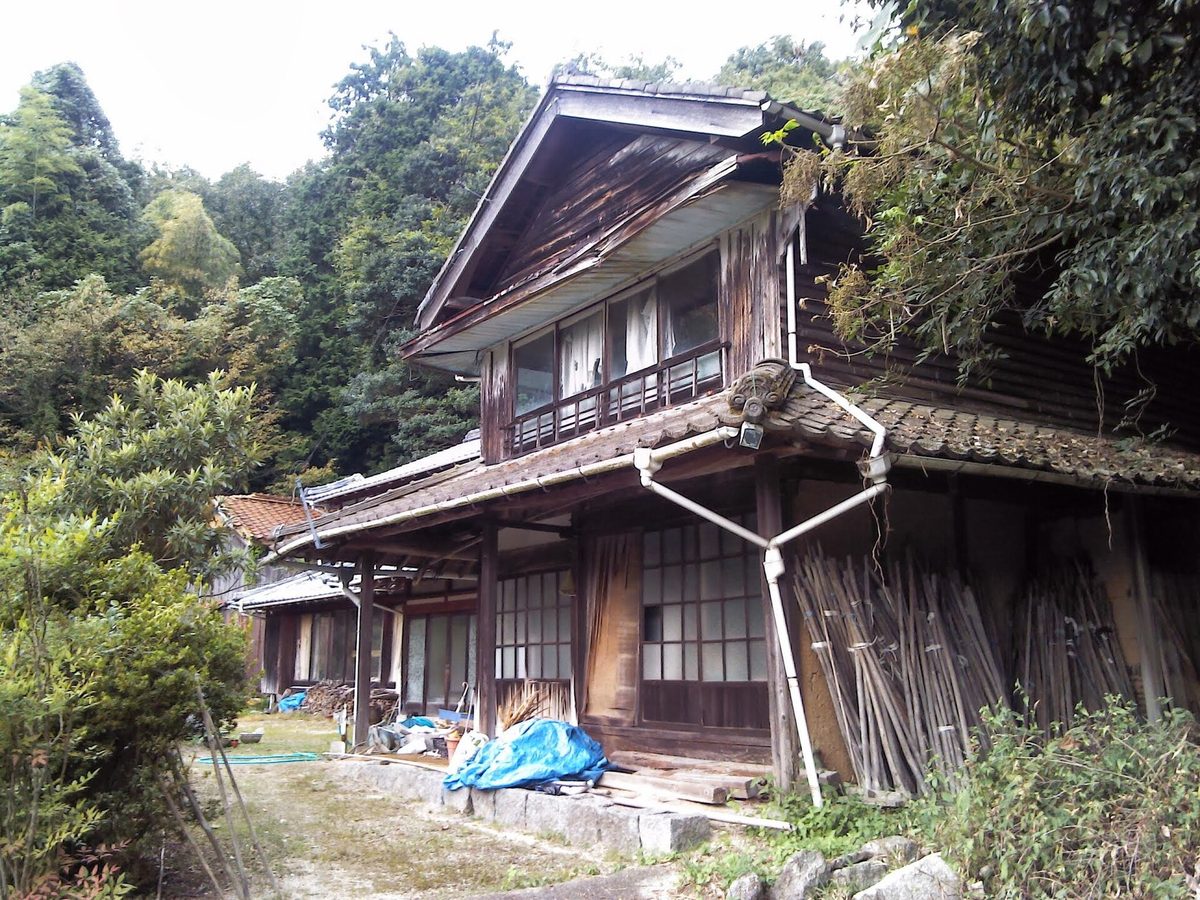
Buying a cheap vacant house, renovating it and renting it out long term or as a holiday rental can produce strong returns on a small budget. It also demands the most local knowledge, from contractors to tenants and town rules.
4. Holiday rentals
Resort areas such as Niseko, Hakuba, Okinawa and Kyoto attract international guests. Under the Private Lodging Business Act, a registered home-sharing property can operate for up to 180 nights a year, and many municipalities restrict it further. Running all year usually requires a lodging licence under the Inns and Hotels Act, with fire-safety and zoning requirements.
5. Indirect investment
Listed Japanese real estate investment trusts (J-REITs) give exposure to offices, logistics, hotels and housing without owning a building directly.
Part 4: Financing, currency and exit
Most non-resident investors pay cash. Only a few Japanese lenders finance non-residents, typically with large down payments, and after the Bank of Japan ended negative interest rates in 2024 and began raising rates, borrowing costs have started to rise. Investors living in Japan with permanent residency or a stable job have far better access to loans.
Currency matters as much as yield. With the yen around 160 to the U.S. dollar at the time of writing, Japanese assets look cheap, but rent, expenses and sale proceeds are in yen. A stronger yen later would boost returns in your home currency; a weaker yen would reduce them.
Plan the exit before you buy. City condominiums sell within weeks or months; rural houses can take years. Holding for more than five years cuts the capital gains tax rate roughly in half, and buyers from a non-resident seller generally withhold 10.21 percent of the price at settlement.
Part 5: Risks to price in
- Earthquakes: prefer buildings designed after June 1981, check the hazard maps and buy earthquake insurance.
- Building age: older buildings lose value, need more repairs and are harder to finance for the next buyer.
- Management quality: a poorly run condominium with a thin repair fund can face large special levies.
- Leasehold land: some properties sit on leased land, which affects value and financing.
- Sublease guarantees: guaranteed rent schemes often allow the operator to cut the rent later.
- Population decline: choose locations with stable or growing rental demand.
- Taxes and compliance: non-residents need a tax agent, must file annual returns on rental income and may have a reporting obligation after purchase.
Part 6: Visas and Japan property investment
Investing in Japanese real estate does not give a residence status, and Japan has no golden visa programme. The Business Manager visa is for people who actively run a business in Japan, and its requirements were raised in October 2025, including capital of at least 30 million yen and at least one full-time employee. Passive rental investment alone is not a qualifying business. Check the Immigration Services Agency for the current rules.
Summary
Japan real estate investment offers foreigners rare advantages: freehold ownership with no restrictions, a transparent register, deep rental demand in the big cities and prices that look low in dollar terms. The trade-offs are low yields in prime areas, high vacancy and liquidity risk in the countryside, rising interest rates and currency exposure. Choose the market segment that fits your goals, model net rather than gross yields, and line up management, tax and legal support before you buy.
Looking for a house in Japan?
We search Japanese listings and akiya banks, run video viewings and inspections, and handle the contract, registration, tax agent and remittances in English. The first 30-minute consultation is free.