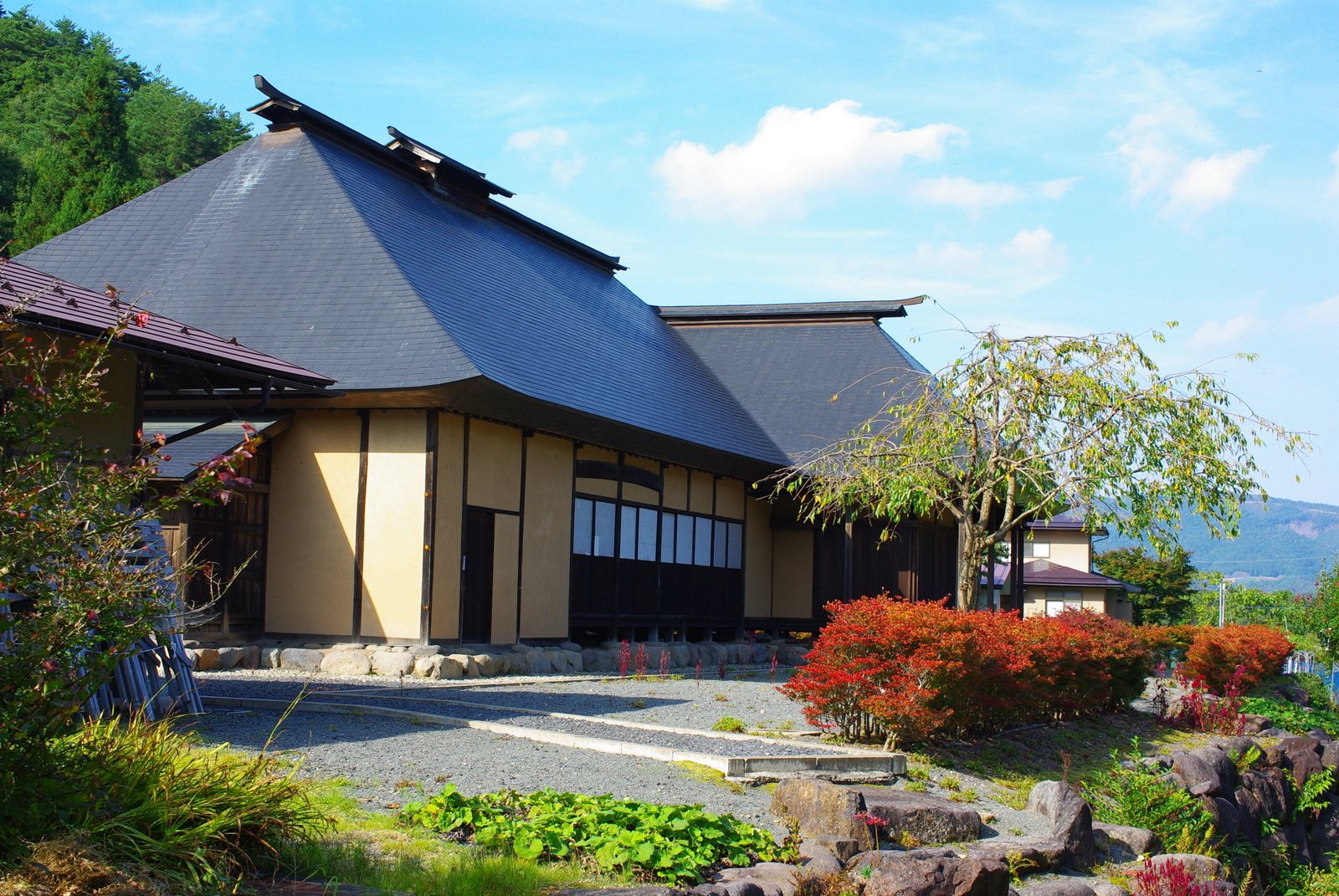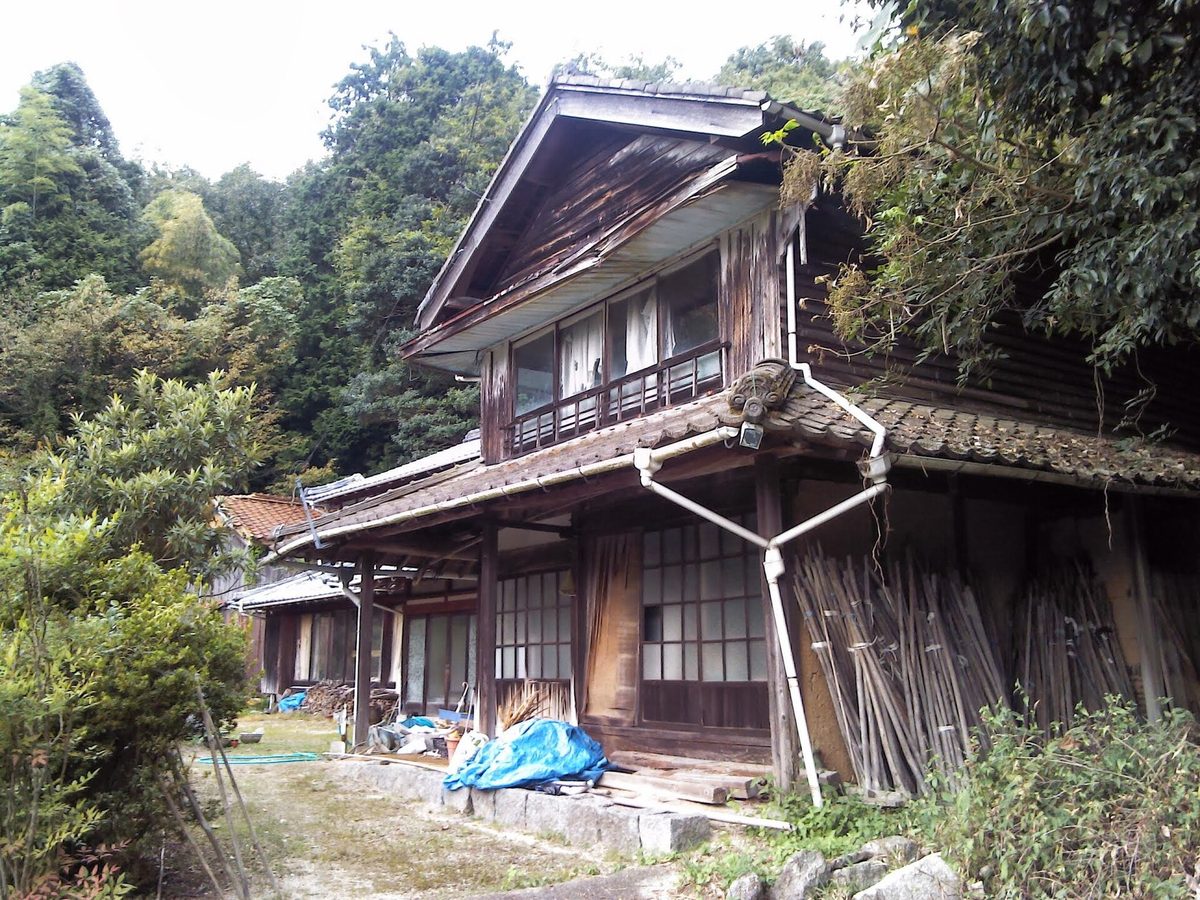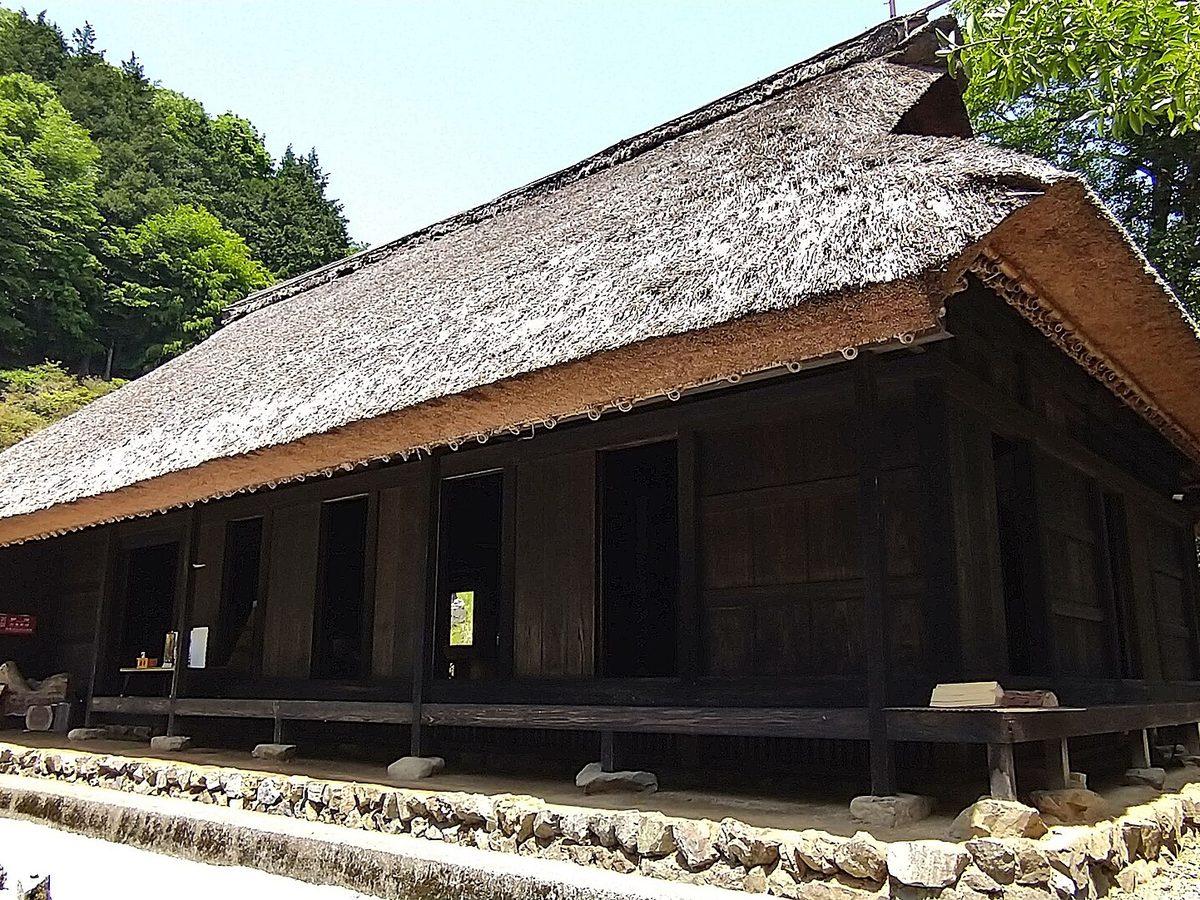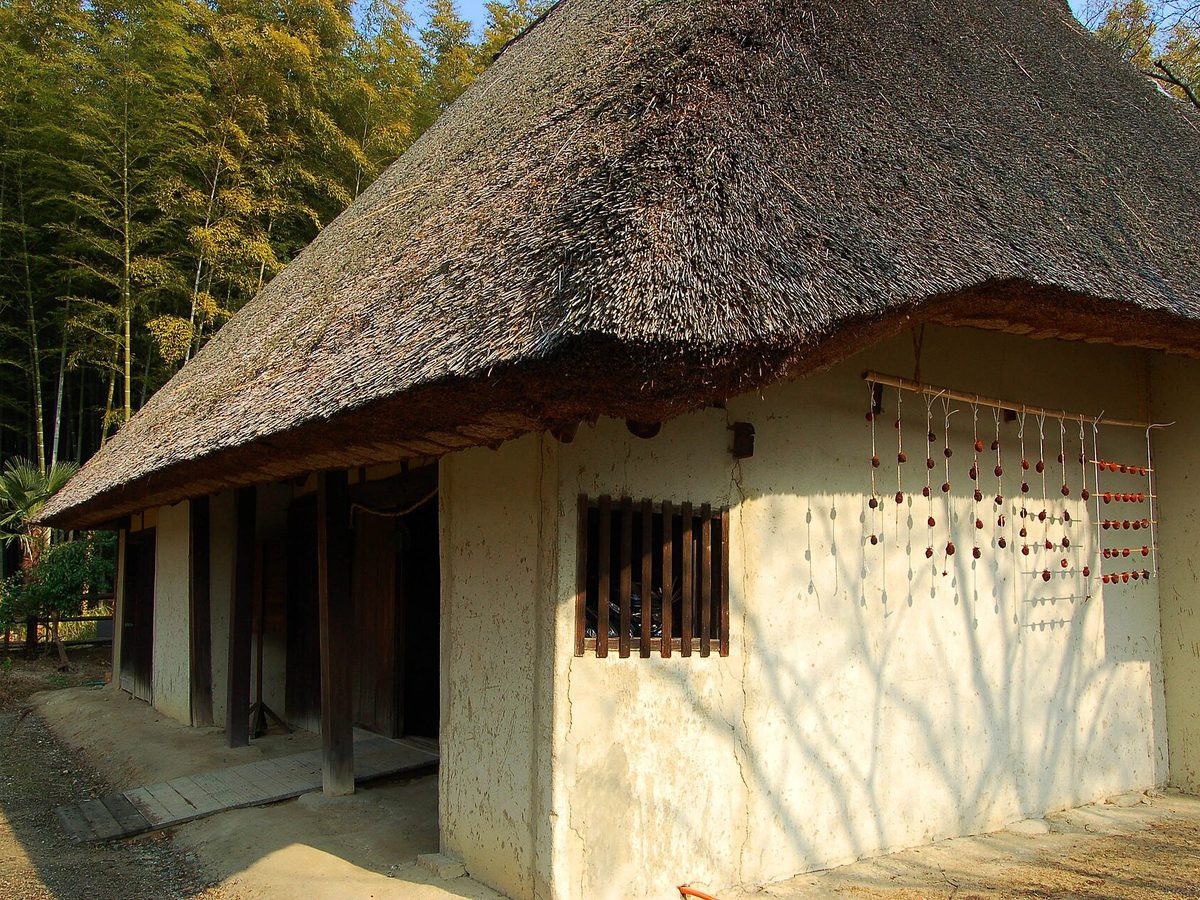
Japanese property prices can look low from abroad, but the purchase price is only one line in the budget. This guide walks through the one-off costs of buying, the annual Japan property tax, the taxes on rental income and on a sale, and the rules that apply specifically to foreign and non-resident owners. Figures are simplified and rates change, so treat this as a map rather than tax advice.
Key takeaways
- Buying costs are typically 5 to 10 percent of the price for mid-priced homes, and a much higher share for very cheap houses.
- Most property taxes in Japan are based on the assessed value set by the municipality, which is usually far below the market price for older houses.
- The annual fixed asset tax is 1.4 percent of the assessed value, plus city planning tax of up to 0.3 percent in some areas.
- Non-resident owners must appoint a tax agent in Japan.
- When you sell, capital gains are taxed at about 39 percent for Japanese residents if you have owned the property for five years or less and about 20 percent after that; non-residents pay roughly 31 and 15 percent because local inhabitant tax does not apply.
- A buyer from a non-resident seller usually has to withhold 10.21 percent of the price.
Part 1: One-off costs of buying property in Japan
1. Brokerage fee
The legal maximum for a licensed agent is 3 percent of the price plus 60,000 yen, plus 10 percent consumption tax, for properties over 4 million yen. Since July 2024, for low-cost properties of 8 million yen or less, agents may charge up to 300,000 yen plus tax if this is agreed in advance. On a 30 million yen house the maximum is about 1.06 million yen including tax.
2. Registration and licence tax
This tax is charged when ownership is registered and is based on the assessed value rather than the price. The standard rate for transferring land by sale is 2 percent, reduced to 1.5 percent under a special measure that has been extended repeatedly. For buildings the standard rate is 2 percent, with a reduced rate for qualifying homes used as the owner's residence.
3. Judicial scrivener
A judicial scrivener prepares and files the registration. Fees are commonly 50,000 to 150,000 yen, more if documents from abroad need extra handling.
4. Stamp duty
A revenue stamp is attached to the sales contract. Under the reduced rates in force at the time of writing, the duty is 1,000 yen for contracts over 1 million and up to 5 million yen, 5,000 yen up to 10 million yen, and 10,000 yen up to 50 million yen.
5. Real estate acquisition tax
A prefectural tax charged once, a few months after the purchase. The standard rate is 4 percent of the assessed value, reduced to 3 percent for land and residential buildings, and the taxable value of residential land is halved. No tax is due if the assessed value is below the exemption thresholds, which for a purchased building is 120,000 yen and for land 100,000 yen. Many cheap rural houses fall below them.
6. Other costs
- A pro-rata share of the year's property tax, which buyers customarily reimburse to the seller from the handover date.
- Fire and earthquake insurance.
- Translation, coordination and remittance costs if you are buying from abroad.
Part 2: Annual property tax in Japan
1. Fixed asset tax
Every owner of land and buildings on 1 January pays fixed asset tax to the municipality. The standard rate is 1.4 percent of the assessed value, which municipalities review every three years. For residential land, the taxable value is reduced to one sixth for up to 200 square meters per dwelling and to one third for the rest. No tax is due if the total assessed value is below 300,000 yen for land or 200,000 yen for buildings.
2. City planning tax
In urbanisation promotion areas, many municipalities also charge city planning tax of up to 0.3 percent of the assessed value, with smaller reductions for residential land. Most deep-countryside properties are outside these areas.
3. What it adds up to
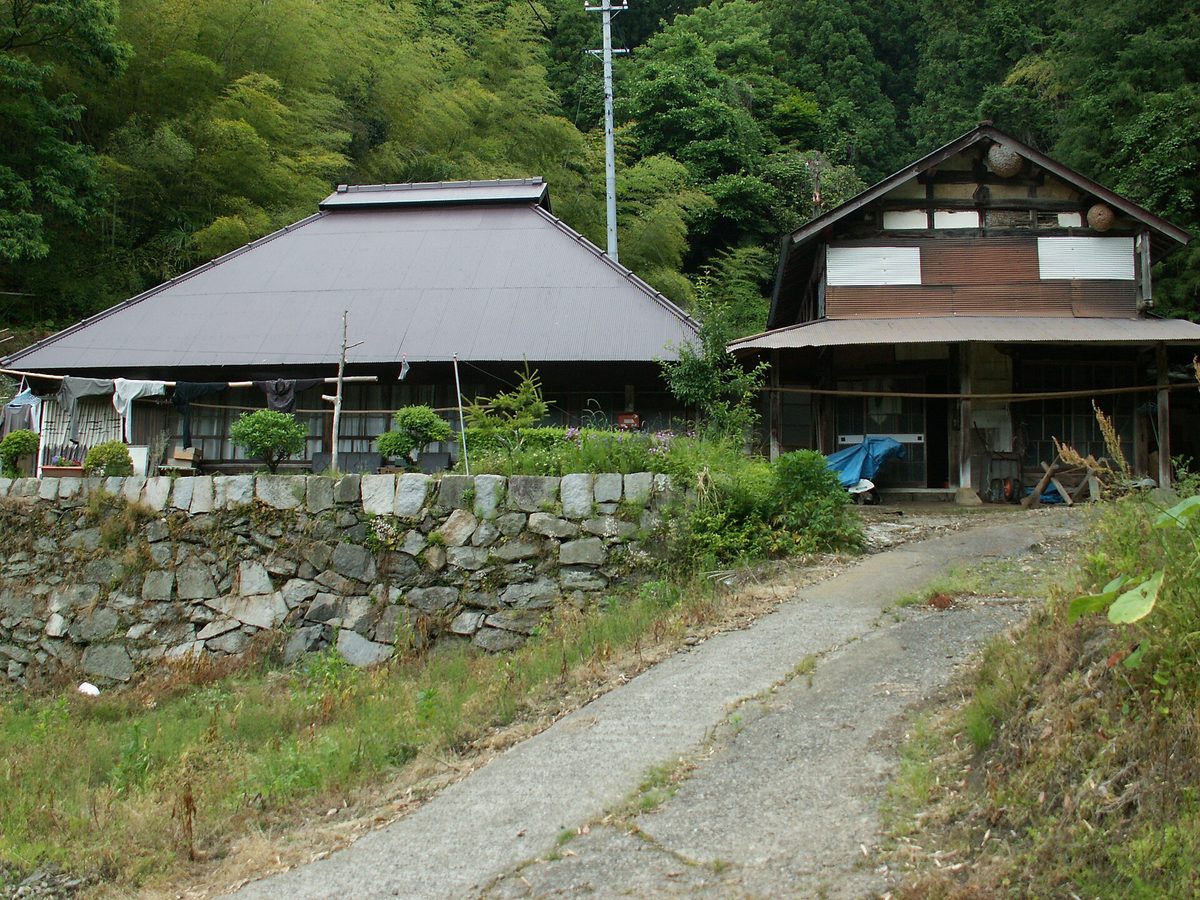
For a typical older countryside house, the combined annual tax is often a few tens of thousands of yen, and sometimes nothing at all. A city condominium or a new house can cost hundreds of thousands of yen a year.
4. The vacant house rule
Under the Act on Special Measures concerning Vacant Houses, amended in December 2023, a municipality can designate a neglected house as a poorly managed or specified vacant house. If the owner then ignores a formal recommendation, the residential land reduction is removed, which can increase the land tax up to about six times. Keeping an empty house maintained, ventilated and tidy protects both the house and the tax bill.
Part 3: Rules specific to foreign and non-resident owners
- Tax agent: an owner who does not live in Japan must notify the municipality of a tax agent in Japan, who receives the tax notices and pays the tax.
- Post-purchase report: a non-resident who acquires Japanese real estate generally has to report it to the Ministry of Finance through the Bank of Japan within 20 days, with exceptions such as a home for the buyer's own residence.
- Domestic contact: since April 2024, owners living abroad must register a contact person or company in Japan in the property register.
- Address and inheritance registration: registering an inheritance has been mandatory since April 2024, within three years, and registering a change of name or address has been mandatory since April 2026, within two years.
Part 4: Tax on rental income
Rent from a Japanese property is Japanese-source income and is taxable in Japan whether or not you live there. When a company or a business tenant pays rent to a non-resident individual, it must normally withhold 20.42 percent; individuals renting a home for their own use are exempt. Non-resident owners file a Japanese tax return each year, deduct expenses such as depreciation, management fees, repairs and property tax, and settle the difference. Your home country may tax the income too, with relief under a tax treaty.
Short-term rentals have their own rules. Under the Private Lodging Business Act, a registered home-sharing property can be rented for up to 180 nights a year, and many municipalities restrict it further. Operating without limits generally requires a lodging licence under the Inns and Hotels Act.
Part 5: Tax when you sell
Capital gains on Japanese real estate are taxed separately from other income. For a resident of Japan who has owned the property for more than five years as of 1 January of the year of sale, the rate is about 20.315 percent, including the special reconstruction income tax and local inhabitant tax. For five years or less, it is about 39.63 percent. Non-residents generally do not pay the local inhabitant tax portion, so their rates are about 15.315 and 30.63 percent. The gain is the sale price minus the acquisition cost, after depreciation of the building, and selling costs.
If the seller is a non-resident, the buyer must generally withhold 10.21 percent of the price and pay it to the tax office. The main exception is an individual buyer who pays 100 million yen or less and buys the home for their own or their family's residence. The seller then files a return and settles the actual tax, which may lead to a refund.
Part 6: Inheritance tax
Japanese real estate is always within the scope of Japanese inheritance tax, regardless of where the owner or the heirs live. Rates rise to 55 percent, with a basic exemption of 30 million yen plus 6 million yen per statutory heir. If you plan to hold Japanese property for the long term, plan the estate side early, especially if heirs live in different countries.
Summary
The taxes on Japanese property are moderate compared with many countries, and for older rural houses they are often very low. The costs that surprise foreign buyers are the fixed buying costs on cheap houses, the obligations of non-resident owners, the high tax on a quick resale and inheritance tax. Factor them in from the start, and use a Japanese tax accountant for returns.
Looking for a house in Japan?
We search Japanese listings and akiya banks, run video viewings and inspections, and handle the contract, registration, tax agent and remittances in English. The first 30-minute consultation is free.