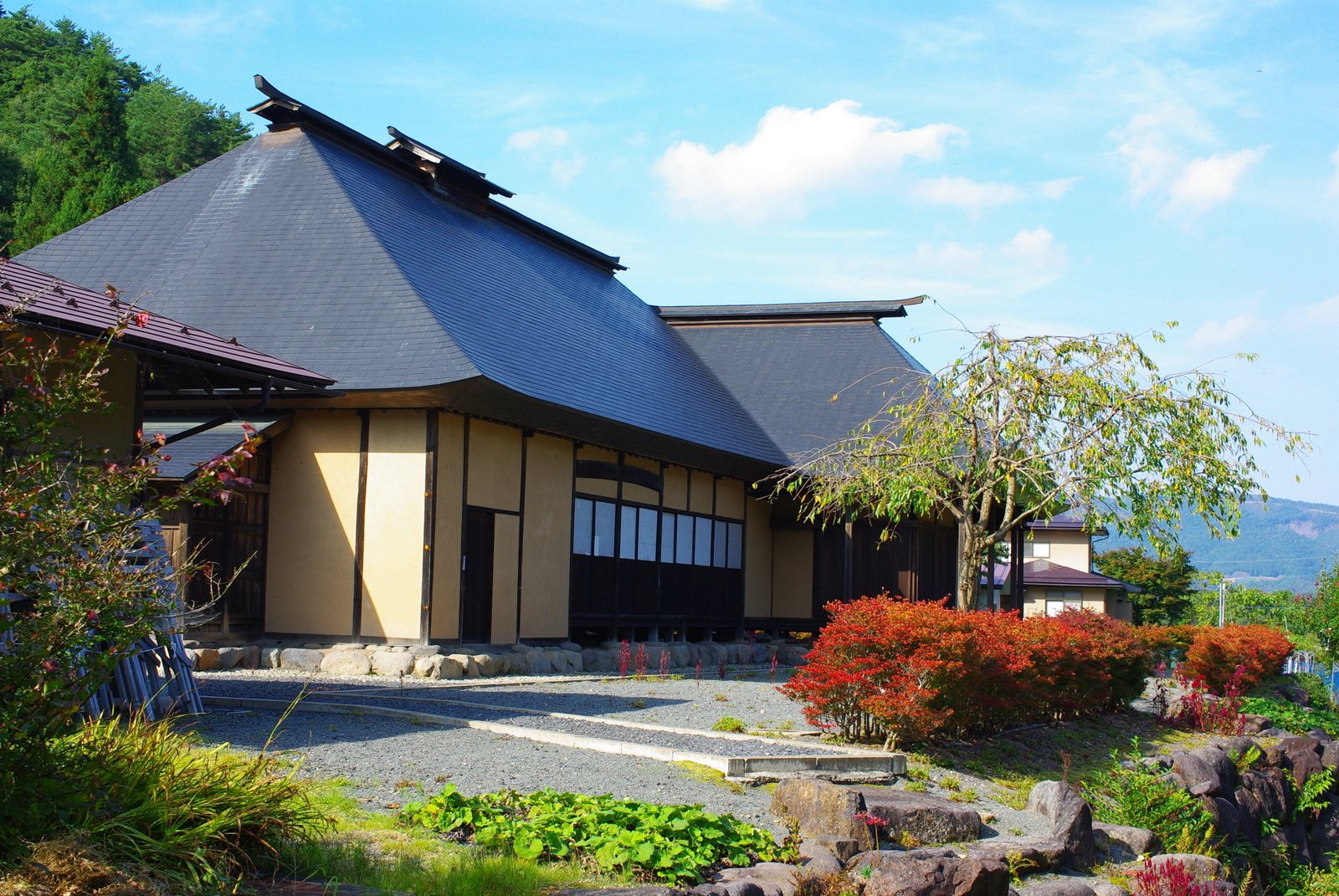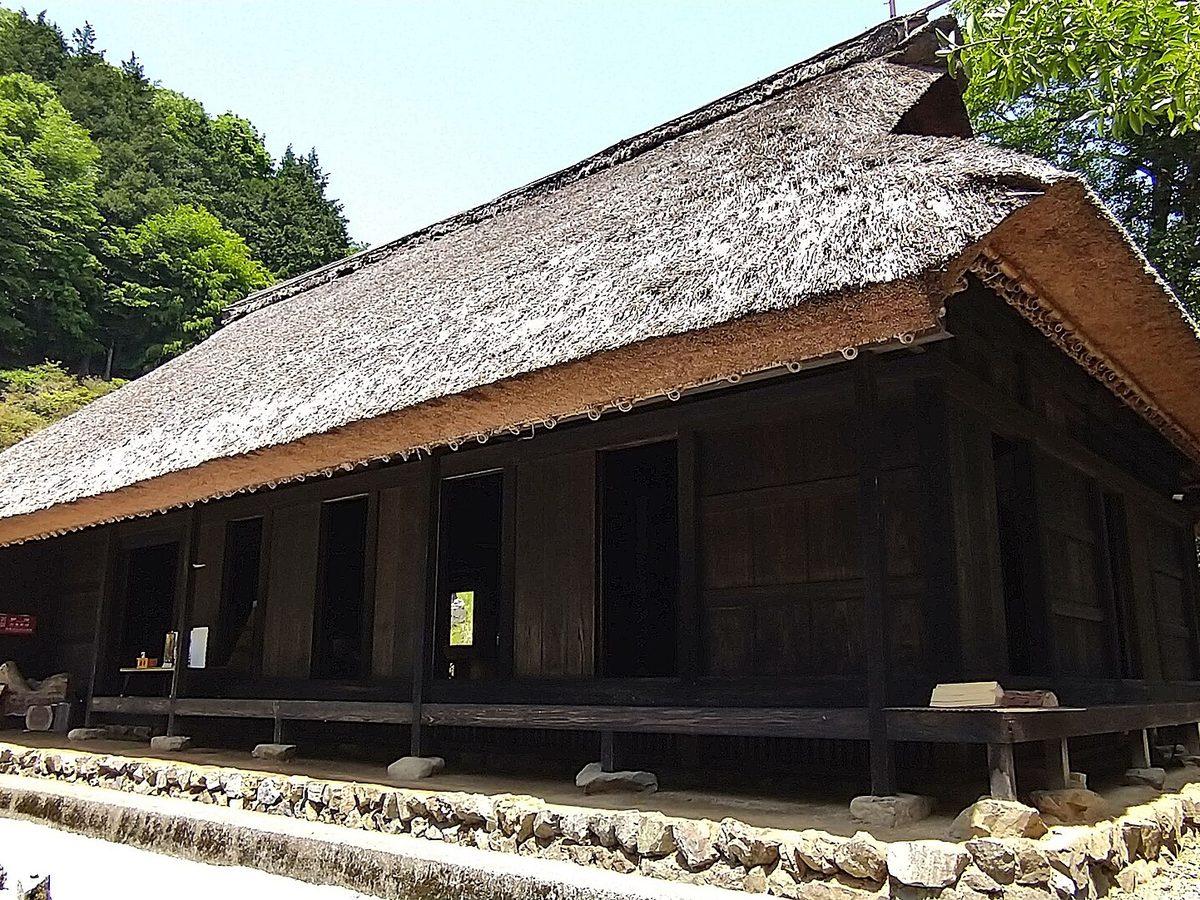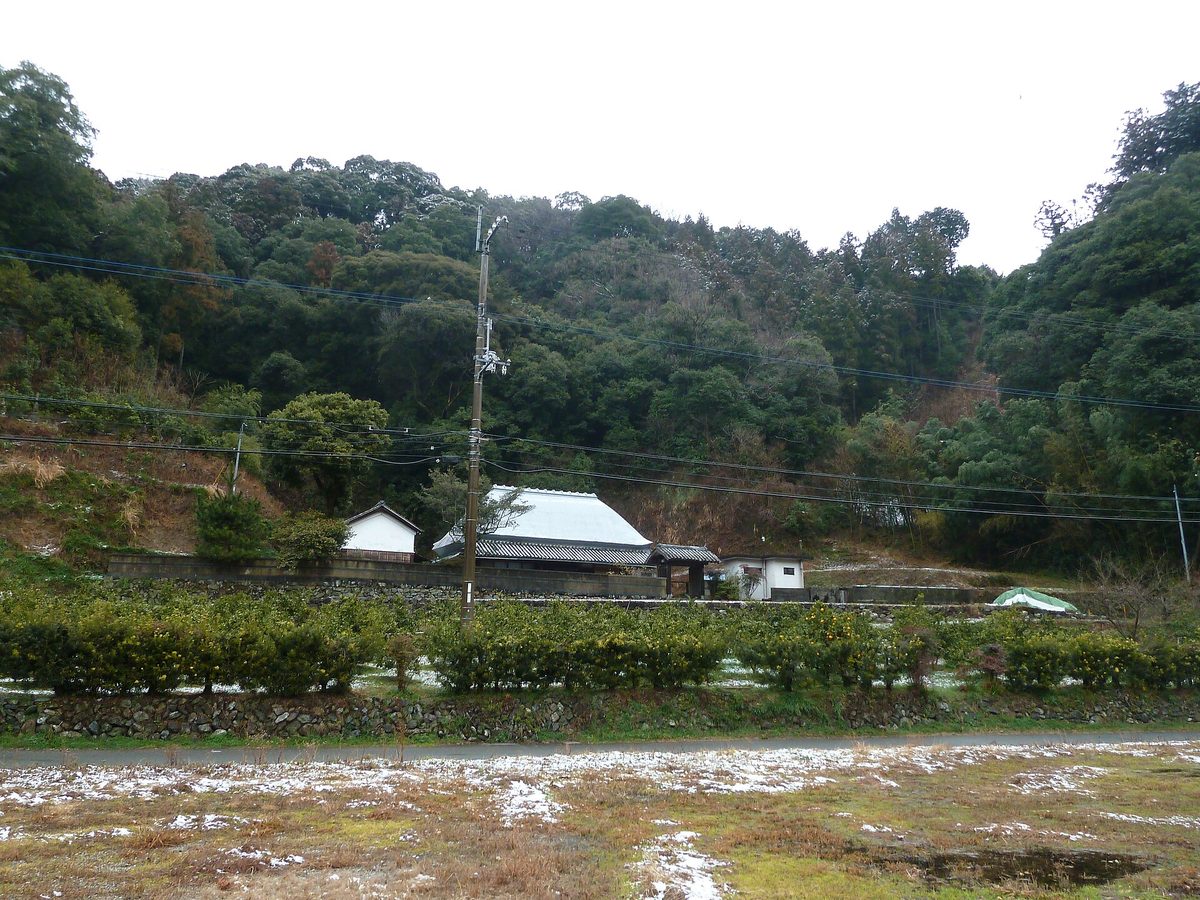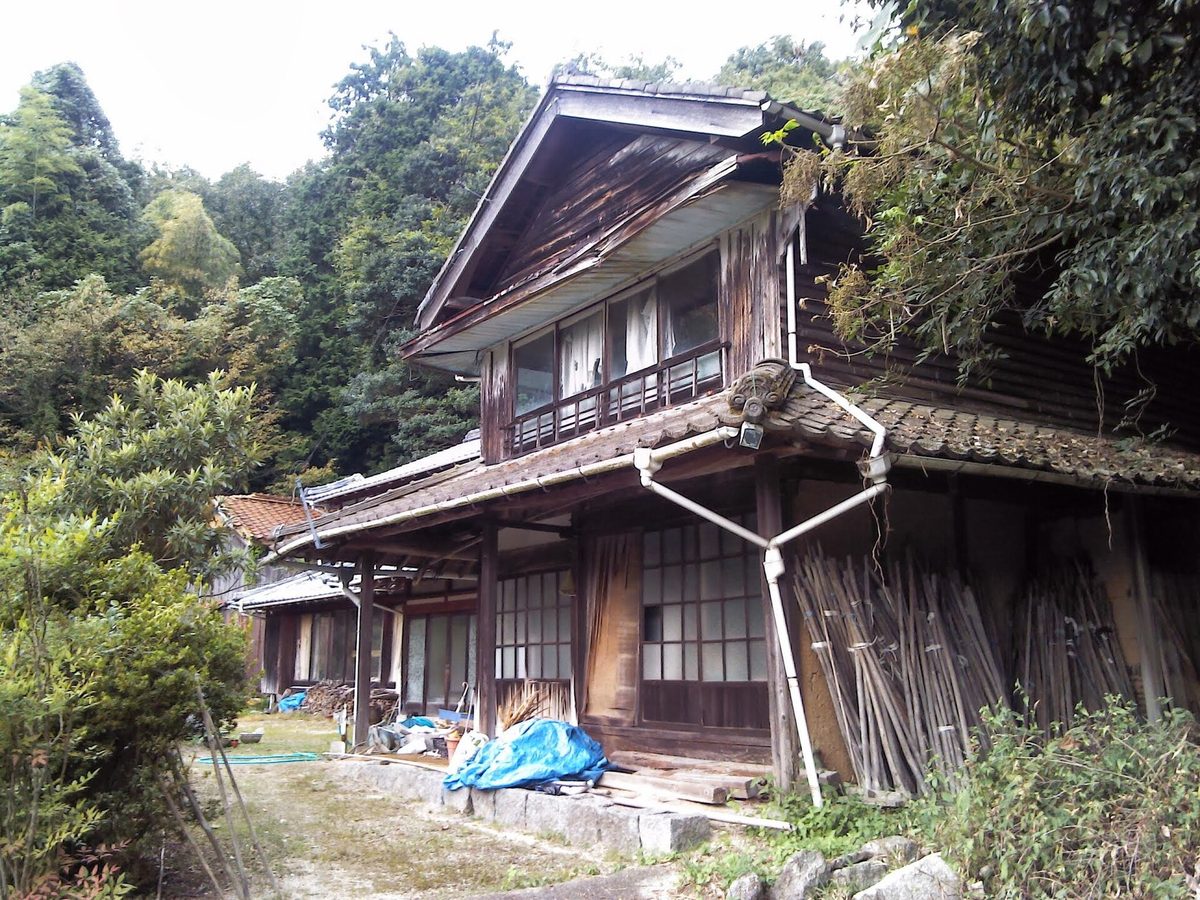
Akiya simply means an empty house in Japanese. Japan's 2023 Housing and Land Survey counted about 9 million vacant homes, 13.8 percent of all housing, and around 3.85 million of them are not even being offered for rent or sale. For buyers abroad, that surplus has turned akiya into a byword for cheap, characterful houses in the Japanese countryside. This guide explains why akiya are so cheap, how to find akiya for sale, and how to avoid buying a problem.
Key takeaways
- Japan has about 9 million vacant homes, and many rural houses sell for a few million yen or less.
- Foreigners can buy akiya on the same terms as Japanese buyers.
- Many cheap listings appear only in municipal akiya banks and on Japanese-language portals.
- Free or near-free houses exist, but repairs, clearing and demolition can cost far more than the price.
- Road access, rebuilding rights, farmland, structure and hazard zones matter more than the asking price.
- Budget for renovation from the start; for many akiya it is the largest cost.
Part 1: Why are there so many akiya in Japan?
Japan's population has been falling since around 2010, and the decline is steepest in rural areas as young people move to the big cities. When the older generation dies, children who live in Tokyo or Osaka often inherit a family home they do not want. Selling is slow, renting is impractical, and demolishing it can cost millions of yen, so many houses are simply left empty.
Japanese buyers also strongly prefer new houses. Wooden houses are depreciated for tax purposes over 22 years, and the market often treats a 30-year-old house as having little or no building value. The result is that perfectly usable older houses, and many beautiful traditional ones, sell at prices that surprise buyers from abroad.
Part 2: Where to find akiya for sale
1. Municipal akiya banks
Many towns and villages run an akiya bank, a public listing of vacant houses whose owners want to sell or rent. Two nationwide portals, operated by at home and LIFULL HOME'S, collect listings from hundreds of municipalities. Prices can be extremely low, including houses offered for zero yen. Some akiya banks restrict buyers to people who will move in and register as residents, ask for an interview, or deal only in Japanese, so read the conditions for each town.
2. Japanese property portals and local agents
SUUMO, at home and LIFULL HOME'S list houses from licensed agents across Japan, and small local agents in rural towns know houses that never appear online. Listings are in Japanese and agents rarely speak English, which is where most foreign buyers get stuck.
3. English-language platforms and coordinators
English sites curate and translate a small share of the market. A coordinator who works in Japanese can search all three sources for you, contact owners and agents, view houses by video and handle the paperwork. Our own listings of countryside houses and kominka start from 2.9 million yen, about 18,000 U.S. dollars.
Part 3: Free houses and the real cost of a cheap akiya
Zero-yen and one-million-yen houses are real, but the price is only the start. A typical budget for a cheap akiya includes the following.
- Buying costs: brokerage, registration tax, a judicial scrivener and stamp duty. Since July 2024, brokers may charge up to 300,000 yen plus tax on houses priced at 8 million yen or less, so fixed costs can approach the price of a very cheap house.
- Clearing out the previous owner's belongings, which often fill the house: from a few hundred thousand yen.
- Repairs: a new kitchen and bathroom typically cost 1 to 3 million yen, and roof or foundation work can cost several million more.
- Utilities: reconnecting water and power, servicing or replacing the septic tank, or drilling a new well.
- Running costs: property tax, insurance, a tax agent for non-residents, travel and upkeep while you are away.
A house that costs 1 million yen can easily need 5 to 10 million yen before it is comfortable to live in. That can still be excellent value, but plan for it before you fall in love with the photos.
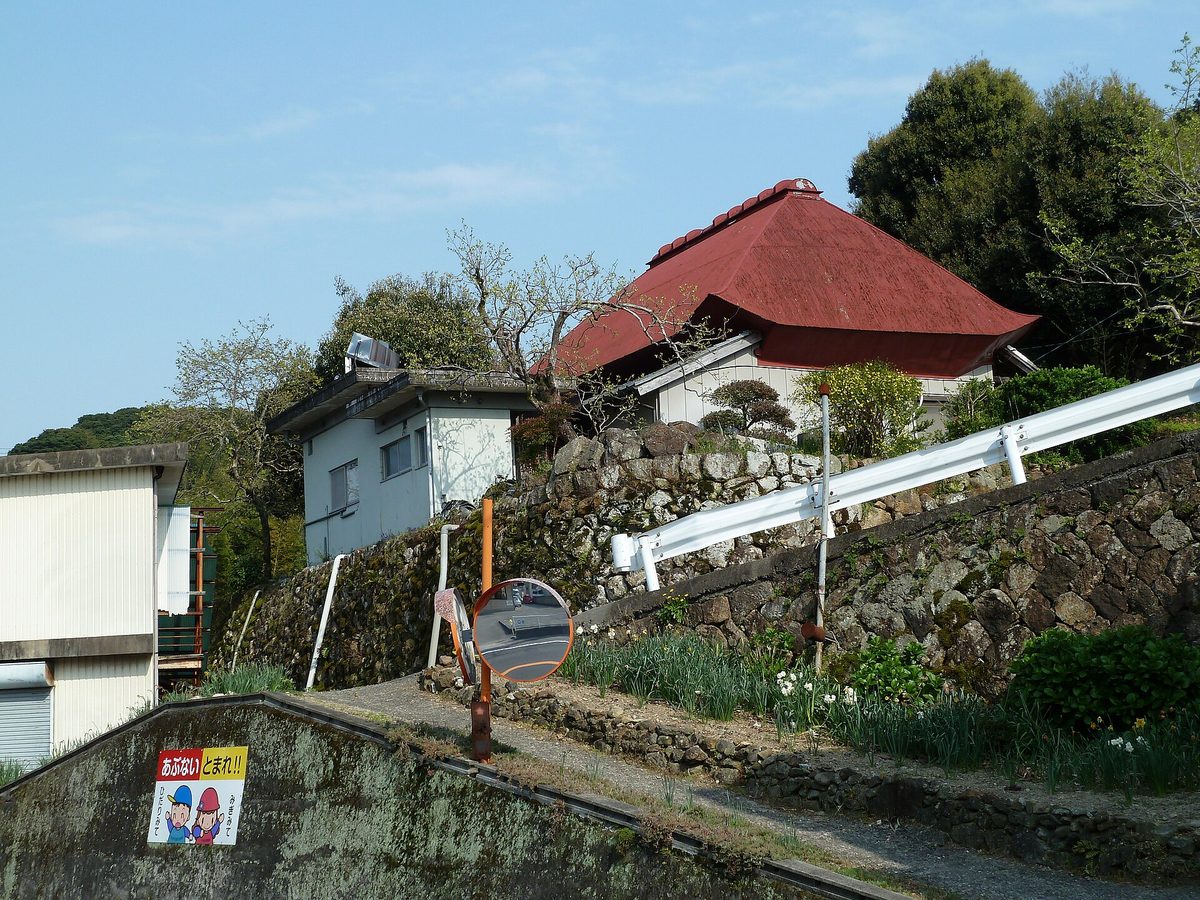
Part 4: What to check before you buy an akiya
1. Road access and rebuilding rights
Under the Building Standards Act, a plot generally needs at least 2 meters of frontage on a road at least 4 meters wide to get a permit for a new building. Many old village houses do not meet this. You can usually keep and repair the existing house, but you may not be able to rebuild it if it burns down or collapses, which also hurts resale value.
2. Structure and earthquake safety
Houses designed before June 1981 were built to the old earthquake standard. That does not mean they are unsafe, but a structural inspection and possibly reinforcement are wise. Look for a sagging roof line, rot in the sill beams, termite damage, leaks and uneven floors.
3. Land category and boundaries
Check every parcel in the sale. Farmland requires permission from the agricultural committee to transfer, forest land has its own notification rules, and in urbanisation control areas new buildings are tightly restricted. Unclear boundaries with neighbours are common in the countryside.
4. Hazard maps
Every municipality publishes hazard maps for floods, landslides and tsunamis. Houses in designated landslide or flood zones can be harder to insure and to resell.
5. Water, sewage and access
Many rural houses use a septic tank or a well rather than mains water and sewers. Also check snowfall, how far the nearest supermarket, hospital and station are, and whether you will need a car.
6. Community
Village life often involves a neighbourhood association, shared cleaning days and local festivals. Joining in makes a huge difference to how welcome you will feel.
Part 5: Where to look for akiya by region
- Near Tokyo: the Boso peninsula in Chiba, Ibaraki and Tochigi offer houses within two hours of the capital, usually from 5 to 15 million yen.
- Mountains: Nagano and Yamanashi suit buyers who want views, hiking and skiing, with prices rising near popular resorts.
- Kansai: villages around Kyoto, Nara and Hyogo have traditional farmhouses, while Kyoto city machiya are far more expensive.
- Shikoku, Kyushu and the Sea of Japan coast: some of the lowest prices in the country, often with sea or mountain views.
- Hokkaido and Okinawa: popular with foreign buyers, with prices that vary widely by area.
Part 6: Buying an akiya from abroad
Foreigners can buy akiya without living in Japan. The process is the same as for any property: an offer, the Important Matters Explanation by a licensed agent, a contract, settlement and registration by a judicial scrivener. From abroad you need someone who can view the house, speak to the owner and municipality, check the documents and arrange repairs. Our team handles the search, video viewings, translation, registration, the tax agent and remittances in English and Japanese.
Summary
Akiya are one of the most affordable ways to own a home in Japan, and some of the most beautiful houses in the country are among them. The price tag is rarely the real cost. Check road access, structure, land category and hazards first, budget honestly for renovation, and work with people who can deal with sellers, agents and the town hall in Japanese.
Looking for a house in Japan?
We search Japanese listings and akiya banks, run video viewings and inspections, and handle the contract, registration, tax agent and remittances in English. The first 30-minute consultation is free.