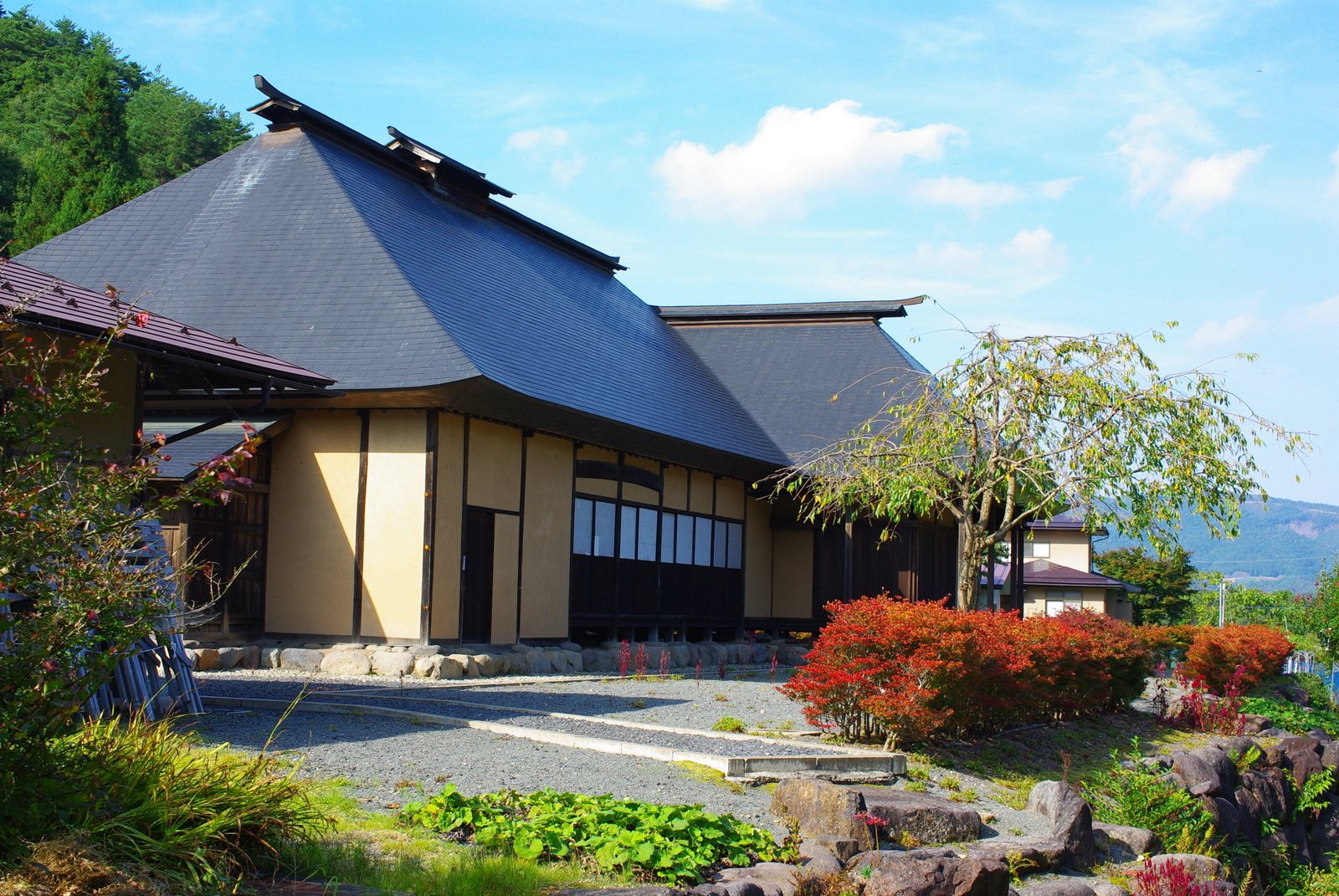
Headlines about houses in Japan for a few thousand dollars are true, up to a point. Japan has millions of empty homes, and with the yen at around 160 to the U.S. dollar, prices that are ordinary in Japan look extraordinary from abroad. This guide explains how much houses cost in Japan, what different budgets realistically buy, where to look for cheap houses in the Japanese countryside and how to calculate the real total cost.
Key takeaways
- Prices in central Tokyo are high, but rural houses often sell for under 10 million yen, about 63,000 U.S. dollars.
- Under 10,000 dollars usually means a house that needs major work, often in a remote area.
- Between 10,000 and 50,000 dollars, habitable countryside houses become realistic.
- Between 50,000 and 100,000 dollars you can find kominka with land, renovated houses and homes within reach of big cities.
- Add buying costs, renovation, travel and running costs; for cheap houses these can exceed the price.
- Foreigners can buy any of these houses, but ownership does not come with a visa.
Part 1: How much do houses cost in Japan?
Japan has two very different property markets. In central Tokyo, Osaka and other big cities, prices have risen for more than a decade and new condominiums in Tokyo's 23 wards now often cost over 100 million yen. In the countryside, population decline and a strong preference for new buildings mean many older houses sell for a few million yen, and some are given away.
Wooden houses in Japan lose their value on paper over about 22 years, so a 40-year-old house is often priced almost as land alone. That is why cheap houses in Japan are usually older detached houses outside the main cities, rather than apartments.
Part 2: What each budget buys
1. Under 10,000 dollars (up to about 1.6 million yen)
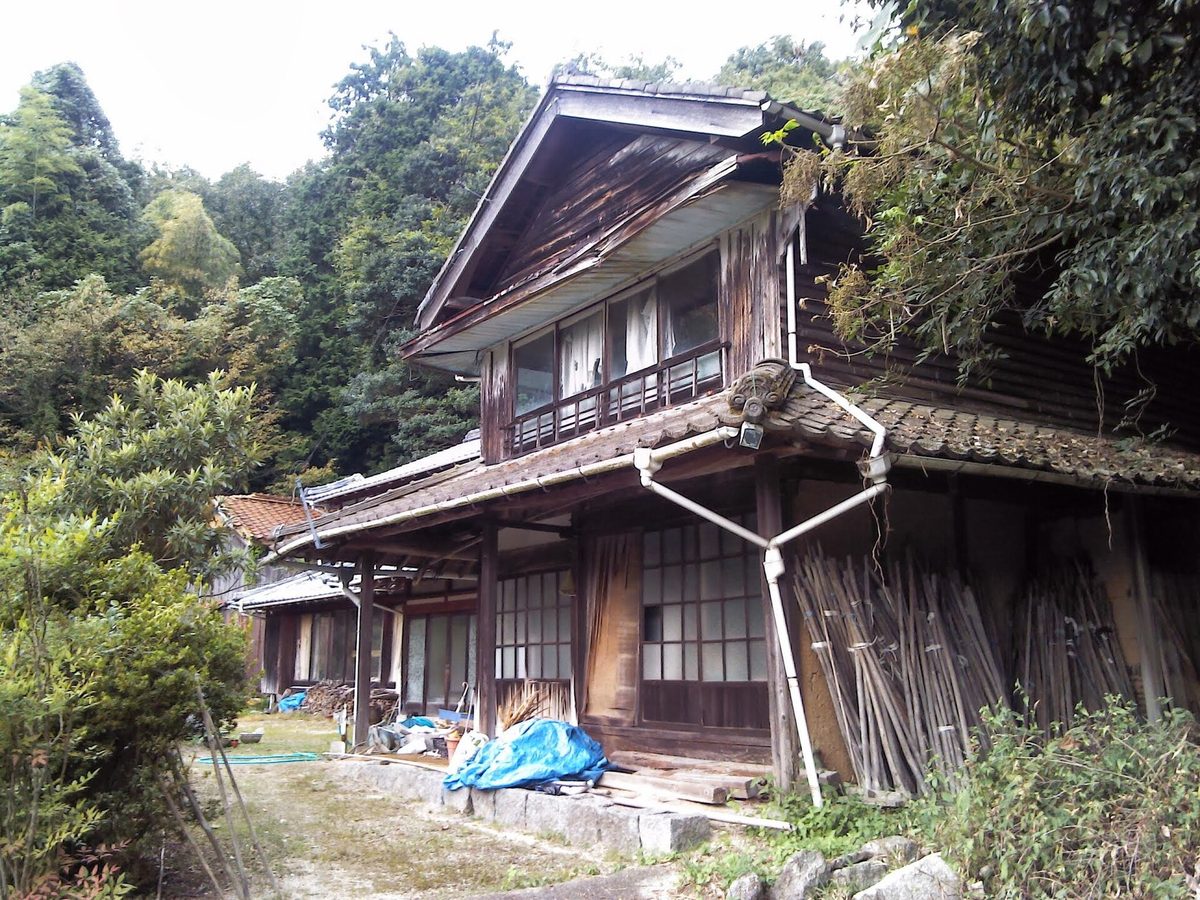
This is akiya bank territory: houses offered for zero to one million yen by owners who mainly want to stop paying tax and upkeep. Expect leaks, years of accumulated belongings, outdated plumbing and remote locations. Some are excellent projects; many cost more to fix than to replace. Our cheapest current listing, a two-storey wooden house with a large garden in the Kinki region, costs 1.5 million yen, about 9,400 dollars, and suits a buyer who enjoys DIY renovation.
2. 10,000 to 50,000 dollars (about 1.6 to 8 million yen)
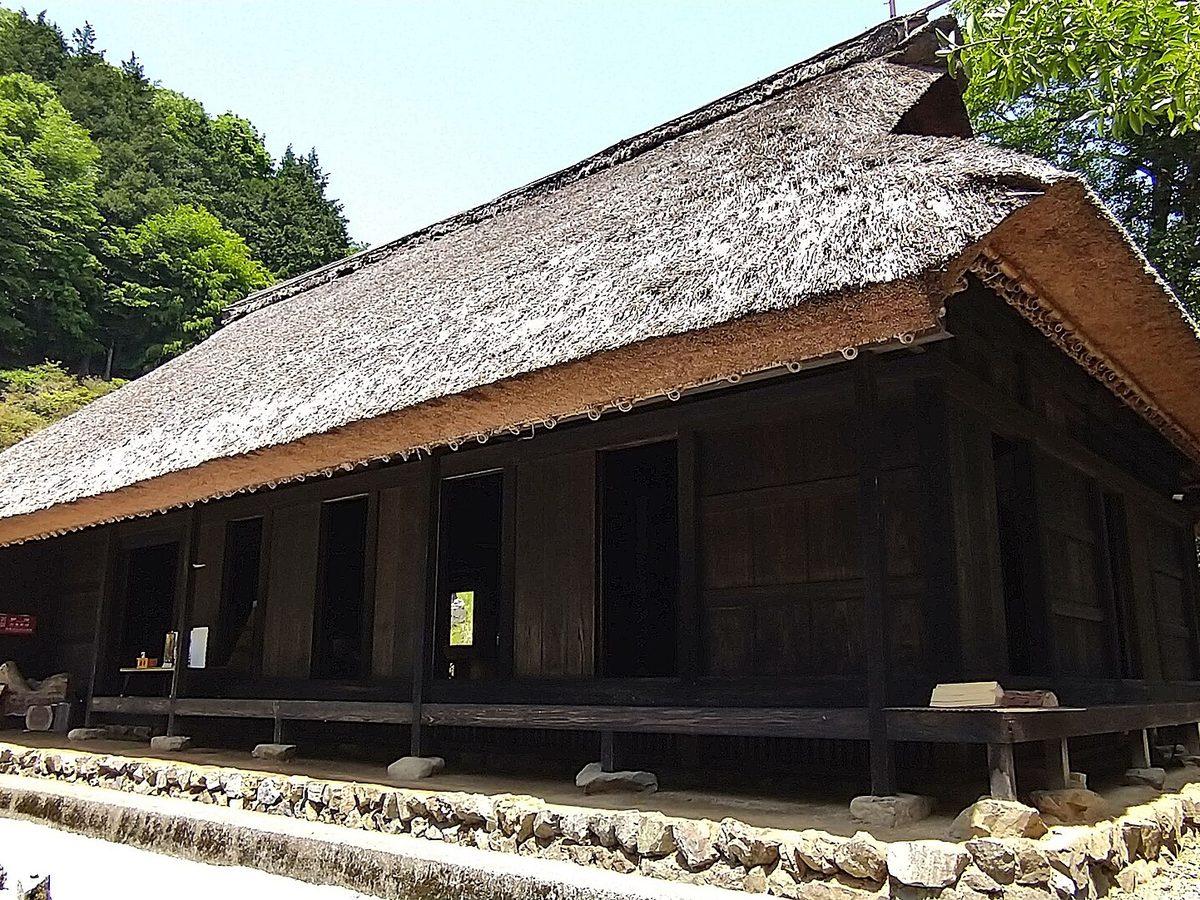
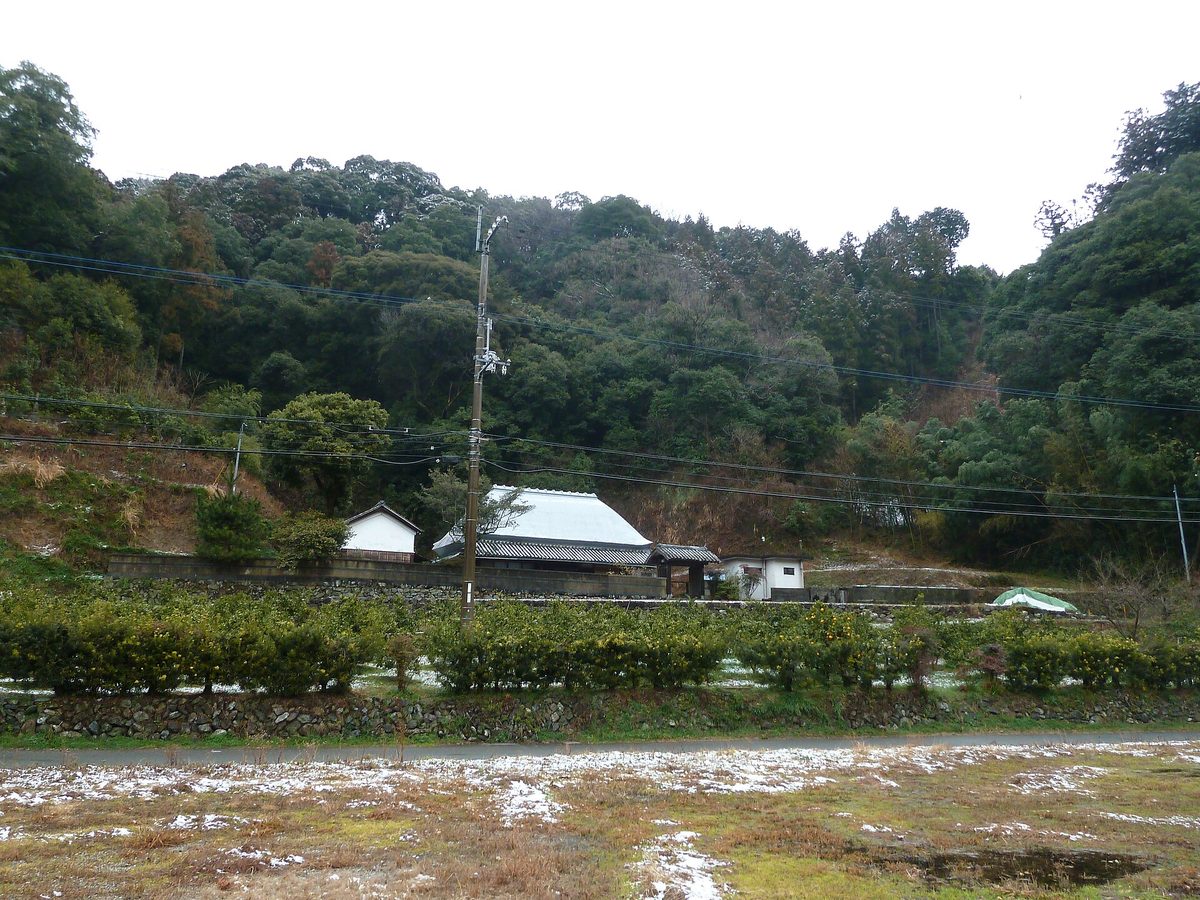
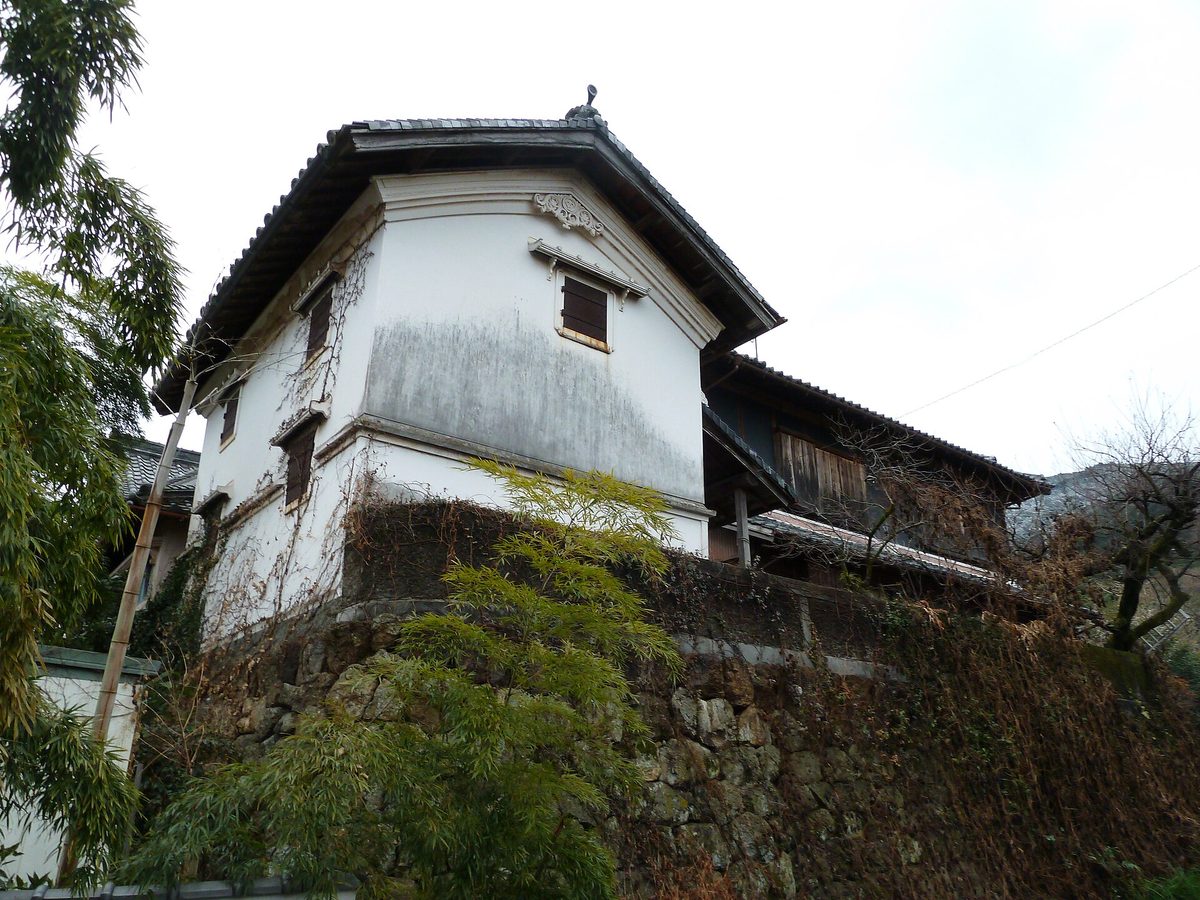
Here you can find habitable countryside houses that need moderate work. Examples from our own listings include a red-tiled bungalow ten minutes' walk from the sea in Shikoku for 2.9 million yen, about 18,000 dollars, a farmhouse among citrus groves in Kansai for 3.8 million yen, about 24,000 dollars, and an estate with a storehouse in Chubu for 6.5 million yen, about 41,000 dollars.
3. 50,000 to 100,000 dollars (about 8 to 16 million yen)
This range opens up kominka with large plots, houses that have already been renovated, homes in small towns with a station, and older condominiums in regional cities. Houses within about two hours of Tokyo, in Chiba, Ibaraki or Tochigi, start to appear at the lower end.
4. 100,000 to 300,000 dollars (about 16 to 48 million yen)
With this budget you can buy a well-restored kominka, a renovated house in the Tokyo or Osaka commuter belt, or a holiday home near a ski or beach area. Prices in international resorts such as Niseko and Hakuba are far higher.
Part 3: Where are the cheap houses in Japan?
- The countryside near Tokyo: the Boso peninsula in Chiba, Ibaraki and northern Tochigi.
- Mountain prefectures: Nagano, Yamanashi, Gifu and Niigata, with lower prices away from ski resorts.
- Western Japan: rural Hyogo, Okayama, Hiroshima and Tottori.
- Shikoku and Kyushu: some of the lowest prices in the country, with a mild climate.
- Hokkaido: cheap land outside the resort areas, but long, snowy winters.
Cheap houses near Tokyo do exist, but rarely under 5 million yen within easy commuting distance. The further you are from a station and a city, the lower the price, and the harder it is to resell.
Part 4: The real budget for a cheap house in Japan
Take a 3.8 million yen countryside house as an example. Approximate figures for a cash purchase by a non-resident might look like this.
- Price: 3.8 million yen.
- Brokerage: up to 300,000 yen plus consumption tax, under the 2024 rule for houses of 8 million yen or less.
- Registration tax, judicial scrivener and stamp duty: roughly 150,000 to 300,000 yen, depending on the assessed value.
- Real estate acquisition tax: often small or zero for a low-value old house.
- Clearing belongings and cleaning: 200,000 to 800,000 yen.
- Renovation of kitchen, bathroom, toilet and repairs: 2 to 5 million yen.
- Coordination, translation and a tax agent if you live abroad.
The total is easily 7 to 10 million yen, about 44,000 to 63,000 dollars. That is still remarkably cheap for a detached house with land, but it is two or three times the headline price. For a closer look at taxes, see our guide to Japan property tax and buying costs.
Part 5: Why some cheap houses are cheap for a reason
- No rebuilding rights because the plot lacks proper road frontage.
- Flood, landslide or tsunami risk shown on the municipal hazard map.
- Serious structural problems, rot or termite damage.
- Farmland that cannot be transferred without agricultural committee permission.
- Very remote locations with no shops, doctors or public transport, and heavy snow.
- Unclear boundaries or an ownership history that has not been registered properly.
None of these has to be a deal breaker, but each should be reflected in the price and your plans.
Part 6: How foreigners can buy a cheap house in Japan
There are no restrictions on foreigners buying property in Japan, and you do not need to live in the country. You do need someone who can read the Japanese listings and documents, view the house, talk to the seller and town hall, and arrange registration and a tax agent. Our team searches for houses that match your budget, runs video viewings, checks the risks above and handles the purchase and remittances in English.
Summary
Cheap houses in Japan are real, and with the yen where it is they are some of the best-value homes in the developed world. Decide what you want to do with the house, set a total budget that includes renovation and running costs, and check road access, hazards and structure before you pay a deposit. Done carefully, a 50,000-dollar countryside house in Japan can be an outstanding home or holiday base.
Looking for a house in Japan?
We search Japanese listings and akiya banks, run video viewings and inspections, and handle the contract, registration, tax agent and remittances in English. The first 30-minute consultation is free.