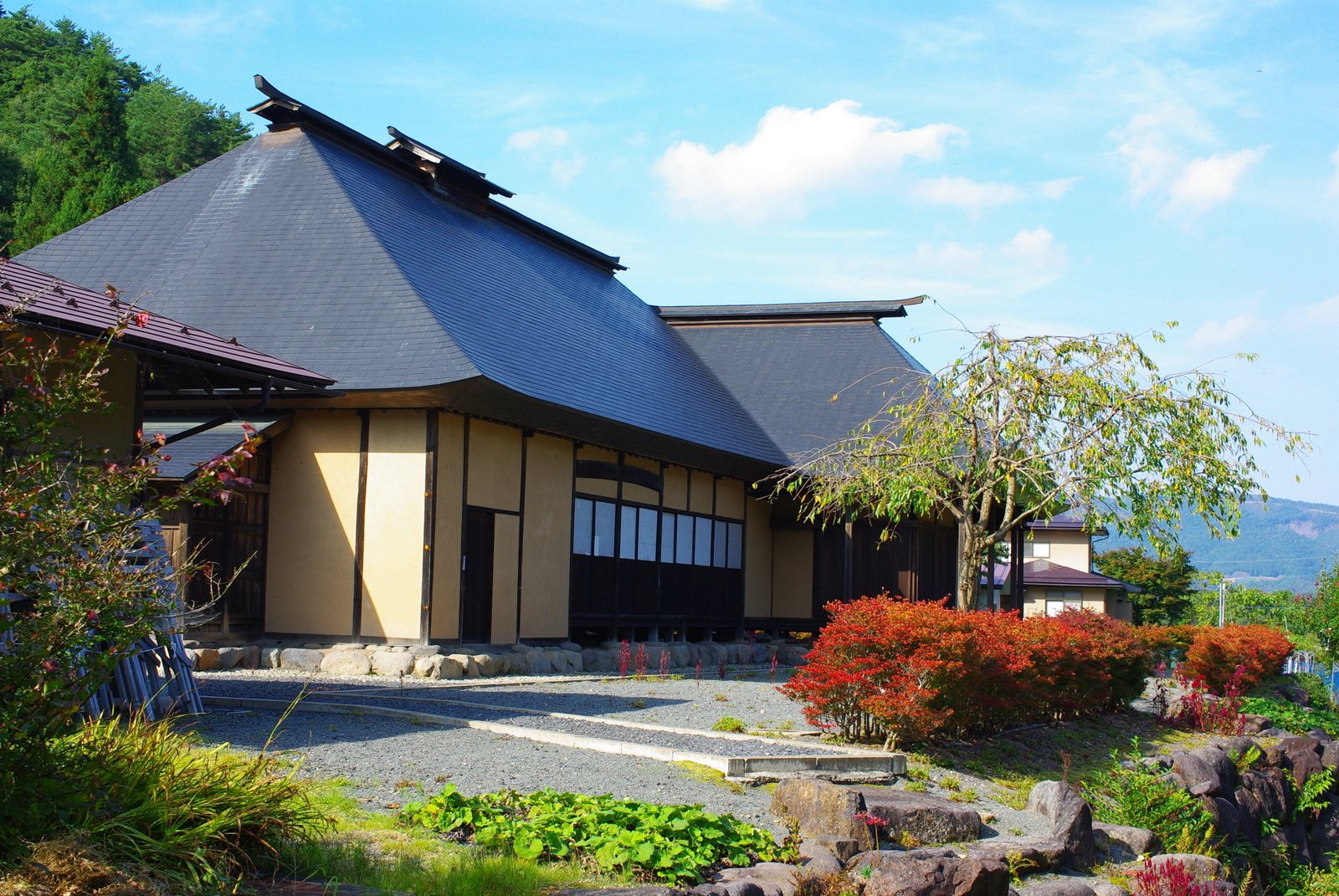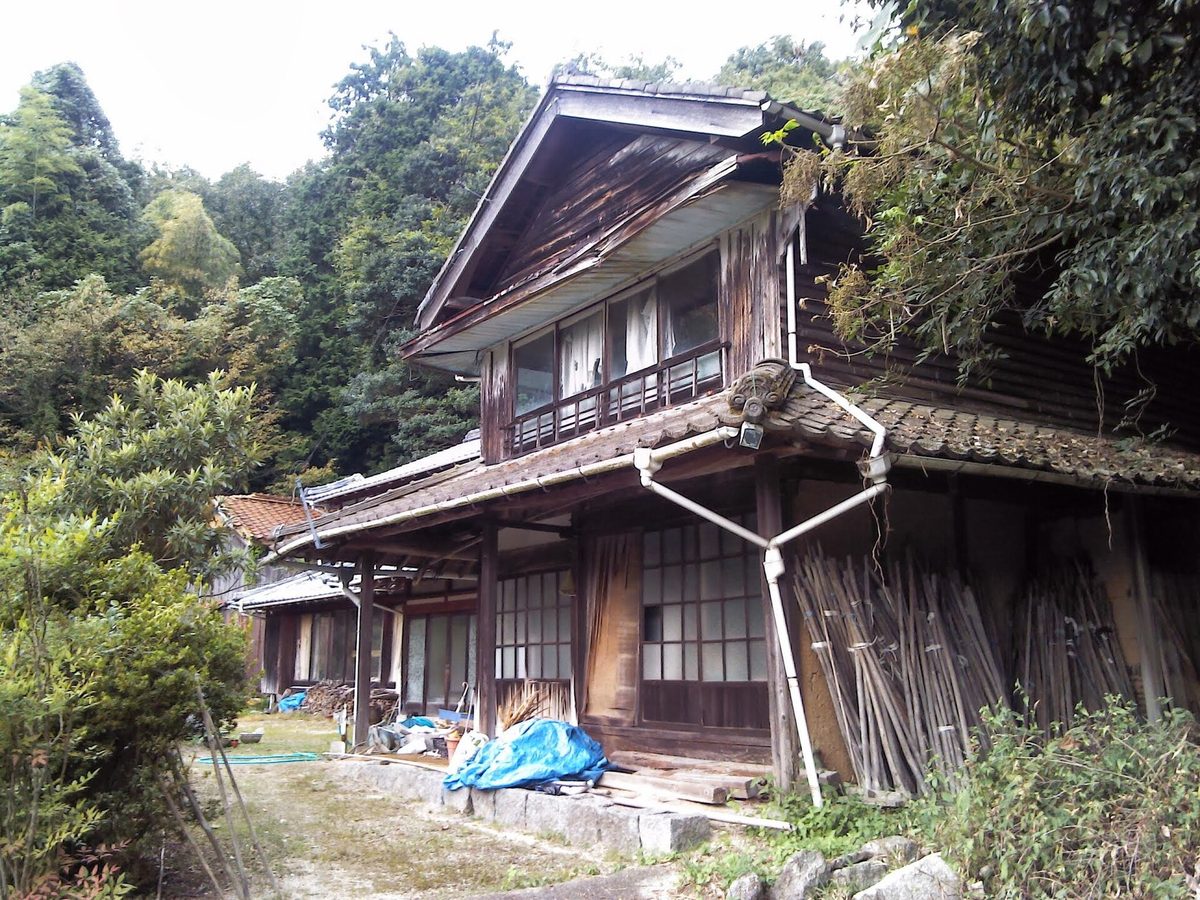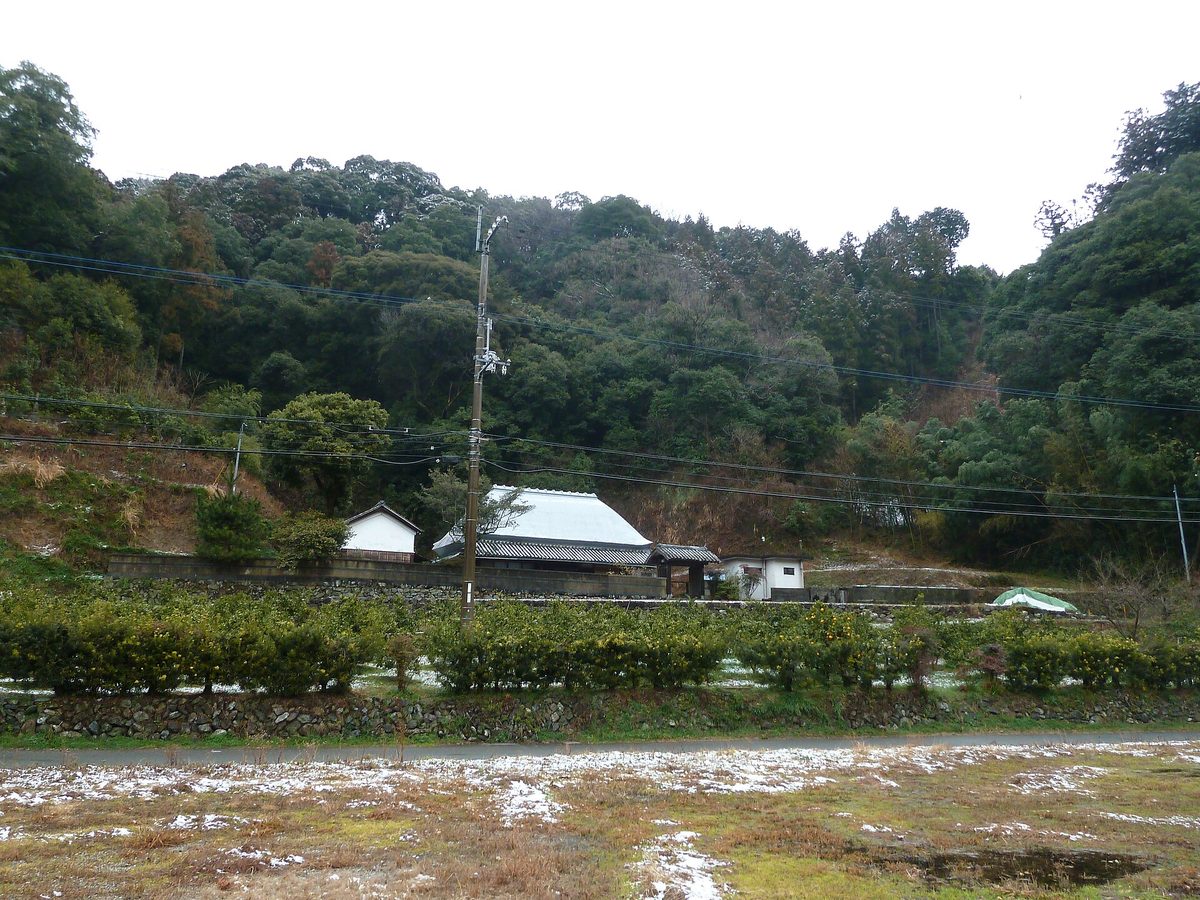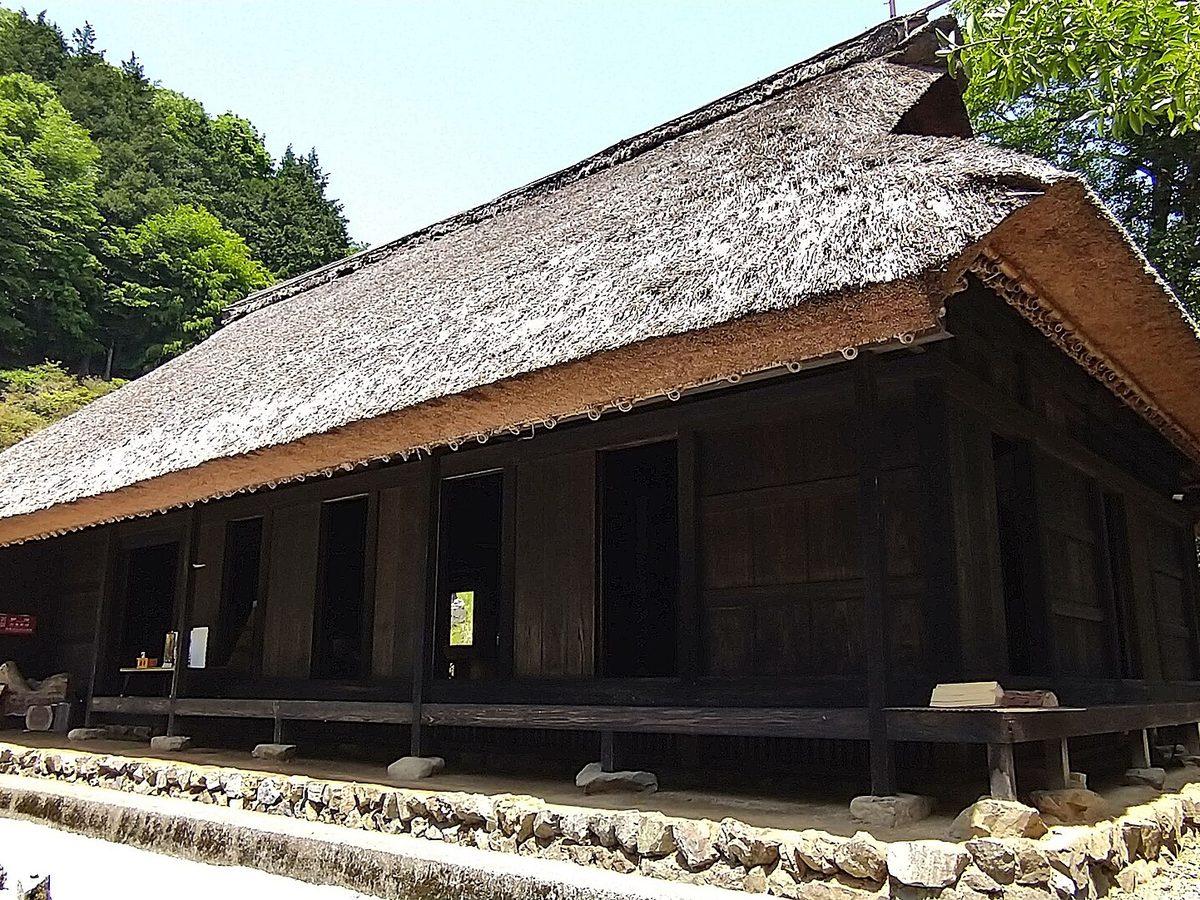
A kominka is a traditional Japanese house: heavy timber posts and beams joined without nails, earthen walls, tatami rooms opening onto a veranda, and often a thatched or tiled roof. For many people looking at Japanese real estate from abroad, buying a kominka is the dream. This guide explains what counts as a kominka, where to find kominka for sale, realistic prices and renovation costs, and the questions to ask before you commit.
Key takeaways
- Kominka are usually defined as traditional wooden houses built before 1950, using traditional joinery rather than modern frames.
- Unrestored rural kominka often sell for 3 to 20 million yen, while Kyoto machiya and restored houses cost much more.
- Renovation is the real budget: plan on roughly 10 to 30 million yen or more for a full restoration.
- Thatched roofs, earthquake reinforcement, insulation and termites are the big technical issues.
- Foreigners can buy kominka on the same terms as Japanese buyers.
- Use an architect or builder experienced in traditional construction for the inspection and the work.
Part 1: What is a kominka?
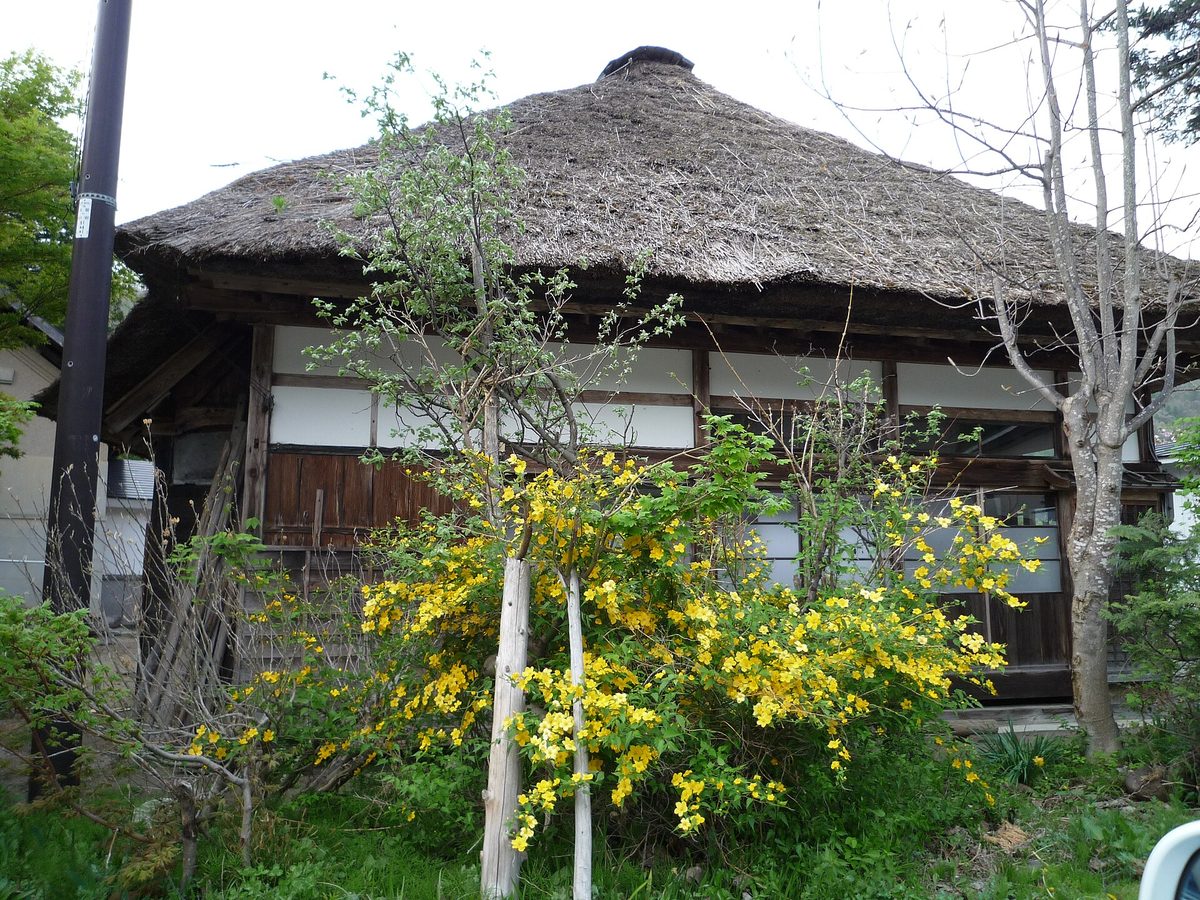
Kominka literally means old folk house. The term is commonly used for houses built before 1950, the year the Building Standards Act introduced modern structural rules, using traditional post-and-beam carpentry. In practice the word covers several types.
- Farmhouses (noka): large rural houses with an earthen-floored work area called a doma, an irori hearth and wide tatami rooms.
- Townhouses (machiya): narrow, deep wooden houses in historic towns, most famously the kyomachiya of Kyoto.
- Merchant and samurai houses: larger residences, often with a garden, gate and a white-plastered storehouse called a kura.
- Thatched houses (kayabuki): houses with steep roofs of reed or grass thatch, sometimes now covered with corrugated metal.
The features buyers love are the same ones that need care: exposed beams of pine and zelkova, earthen walls, paper screens, stone foundations on which the posts simply rest, and deep eaves that keep out summer sun and rain.
Part 2: How much does a kominka cost?
Prices depend far more on location and condition than on size. As a rough guide at the time of writing:
- Unrestored rural kominka: about 3 to 20 million yen, or roughly 19,000 to 125,000 U.S. dollars at 160 yen to the dollar.
- Restored kominka in the countryside or small towns: about 20 to 60 million yen.
- Kyoto machiya and kominka in sought-after resort areas: from about 30 million yen into the hundreds of millions.
Land is often generous. A rural farmhouse may come with several hundred to a few thousand square meters including gardens, outbuildings, forest or farmland. Our current Japanese listings include a thatched kominka with an irori hearth and earthen floor in a Tohoku village for 4.2 million yen, an estate with a storehouse and main house in Chubu for 6.5 million yen, and a large thatched kominka two hours from central Tokyo, suited to a guesthouse, for 12.8 million yen.
Part 3: Restoration costs and technical issues
1. Roof
A thatched roof is beautiful but expensive. Rethatching can cost several million yen or more, skilled thatchers are scarce, and fire insurance may be costly or limited. Many owners keep the thatch under a metal cover or replace it with tiles. Tiled roofs need checks for slipped tiles, rotten boards and leaks.
2. Structure and earthquakes
Traditional houses flex in an earthquake rather than resisting it rigidly, so modern calculation methods do not fit them well. An engineer experienced with traditional timber can assess the frame and propose reinforcement that respects the structure. Look closely at the sill beams and post bases, which rot first, and at any sinking of the stone foundations.
3. Insulation and comfort
Kominka are cool in summer and cold in winter. Restorations commonly add insulation under floors and in the roof, double glazing behind the original screens, and modern heating, while keeping the main rooms open.
4. Kitchen, bathroom and utilities
Most unrestored houses need a new kitchen, bathroom and toilet, rewiring and new plumbing. Rural houses often use a septic tank or a well.
5. Termites and moisture
Termites and damp are the most common causes of hidden damage. A professional inspection before you sign is money well spent.
As a guide, partial renovation that makes a sound house comfortable often costs 5 to 15 million yen, and full restoration commonly costs 10 to 30 million yen or more. Craftspeople who work in traditional methods are in demand, so allow time as well as money.
Part 4: Rules that affect kominka
Because most kominka predate the Building Standards Act, they are treated as existing non-conforming buildings. You can usually repair and renovate them, but large extensions, a change of use or a rebuild may require bringing them up to current standards, which can be difficult for a traditional structure. Check road access too: a house without proper road frontage may not be rebuildable at all.
Some kominka are registered as cultural properties or sit in preservation districts. That brings subsidies and prestige but limits changes to the exterior. If you plan to run a guesthouse, café or gallery, check the zoning, the fire-safety rules and the lodging licence before you buy.
Part 5: Where to find kominka for sale
Kominka for sale appear on the main Japanese portals, in municipal akiya banks and through local agents, and many of the best ones are sold by word of mouth. Popular areas include the countryside around Kyoto and Nara, Nagano, the Boso peninsula in Chiba, the Hida and Gifu region, Shikoku and parts of Kyushu. Searching in Japanese for kominka together with the town name turns up far more listings than English searches.
Part 6: Buying a kominka from abroad
The legal process is the same as for any Japanese property, and foreigners face no extra restrictions. What makes a kominka different is the inspection. Before you make an offer, have the house checked by an architect or builder who works with traditional buildings, get a rough renovation estimate, and confirm road access, land category and hazard zones. We arrange video viewings, inspections, translation of the Important Matters Explanation, registration and renovation quotes for buyers who live outside Japan.
Summary
Owning a kominka is one of the most rewarding ways to own property in Japan, and prices for unrestored houses are often lower than buyers expect. The purchase price is only part of the story: the roof, the structure, insulation and new services usually cost more. Inspect carefully, budget honestly and work with craftspeople who understand traditional buildings, and a kominka can become a home that lasts another hundred years.
Looking for a house in Japan?
We search Japanese listings and akiya banks, run video viewings and inspections, and handle the contract, registration, tax agent and remittances in English. The first 30-minute consultation is free.