Japan is one of the few major countries where a foreigner can buy land and a house outright, with no residency requirement and no special approval. Combine that with a weak yen, roughly 160 yen to the U.S. dollar at the time of writing, and it is easy to see why searches for Japan real estate for foreigners keep rising. This guide explains the rules, the step-by-step buying process, the documents a non-resident needs, financing, visas and the mistakes we see most often.
Key takeaways
- Foreigners and non-residents can buy land and buildings in Japan freehold, with no restriction by nationality or visa status.
- Owning property in Japan does not give you a visa or the right to live there.
- Most foreign buyers pay cash, because few Japanese banks lend to non-residents.
- Budget around 5 to 10 percent of the price for buying costs, and far more than that in relative terms for very cheap houses.
- A licensed real estate agent must explain the property in an Important Matters Explanation before the contract, and a judicial scrivener registers the transfer.
- Non-residents need a tax agent in Japan for property tax, and usually a post-purchase report to the Ministry of Finance.
Part 1: Can foreigners buy property in Japan?
Yes. Japanese law does not distinguish between Japanese and foreign buyers for ordinary residential property. You can own the land and the building outright, and the ownership is recorded in the public real estate register at the Legal Affairs Bureau in the same way as for a Japanese owner. You do not need to live in Japan, hold a visa or set up a company.
There are a few exceptions worth knowing. Under the law on land around important facilities and border islands, which took effect in 2022, transactions involving 200 square meters or more of land in designated special monitoring zones near defence and infrastructure sites require advance notification. The rule applies to every buyer, Japanese or foreign, and covers a small number of areas. Farmland is the bigger practical issue: buying land registered as farmland requires permission from the local agricultural committee and is usually limited to people who will farm it. Many countryside houses come with a vegetable plot, so check the land category of every parcel before you agree on a price.
Part 2: The buying process step by step
1. Decide on purpose and budget
A holiday home, a place to relocate to, a rental investment and a renovation project lead to very different properties. Decide early whether you need a house you can live in straight away or are prepared to renovate, and how far from a station, hospital and supermarket you are willing to be.
2. Search for properties
Most listings in Japan appear on Japanese-language portals such as SUUMO, at home and LIFULL HOME'S, and many very cheap rural houses are listed only in municipal vacant house banks (akiya banks). English-language platforms show a fraction of the market. A bilingual agent or coordinator can search the Japanese sources, contact the listing agent and translate the details for you.
3. View the property and check it
You can view a house yourself or by live video. Before you make an offer, check the age of the building against the 1981 earthquake standard, road access and rebuilding rights, the municipal hazard map for flooding and landslides, the boundaries, the water supply and sewage, and whether the roof, foundation and timber show leaks, rot or termite damage.
4. Make an offer
In Japan you submit a written purchase application, often called a kaitsuke shomeisho, stating your price and conditions. It is not a binding contract, but sellers expect serious buyers. Price negotiation is normal for older houses, especially ones that have been on the market for a long time.
5. Important Matters Explanation
Before the contract, a licensed real estate transaction specialist must explain the legal and physical details of the property in writing and in person or online. This covers zoning, building restrictions, road access, utilities, hazard information and the contract terms. The document is in Japanese, so arrange a translation and read it carefully; it is the single most important document in the purchase.
6. Sign the contract and pay the deposit
The sales contract is usually signed with a deposit of around 5 to 10 percent of the price. Under the common Japanese deposit rules, before the other side has begun to perform the contract, the buyer can cancel by forfeiting the deposit and the seller can cancel by paying back double. Contracts can be signed remotely with the help of your agent.
7. Settlement and registration
On the settlement day you pay the balance and the buying costs, the seller hands over the keys, and a judicial scrivener files the transfer of ownership at the Legal Affairs Bureau the same day. You do not have to be in Japan for this if the documents are prepared in advance.
8. After the purchase
A non-resident owner must appoint a tax agent in Japan to receive property tax notices and pay the tax. A non-resident who acquires Japanese real estate generally has to file a report with the Ministry of Finance through the Bank of Japan within 20 days of the acquisition, with exceptions such as a home bought for the buyer's own residence. You will also need to arrange fire and earthquake insurance, utilities and, in many villages, an introduction to the neighbourhood association.
Part 3: Documents a foreign buyer needs
Japanese residents prove their identity and address with a resident record and a registered seal. A non-resident does not have these, so the substitutes are a passport, a sworn statement of address notarised in your home country or at an embassy, and a signature certificate in place of a seal certificate. The judicial scrivener tells you exactly which version they need.
Since April 2024, an owner who lives outside Japan must register a contact person or company in Japan, which appears in the register. Since the same date, the name of a foreign owner can also be recorded in the Roman alphabet alongside the katakana spelling, which makes later transactions and inheritance easier.
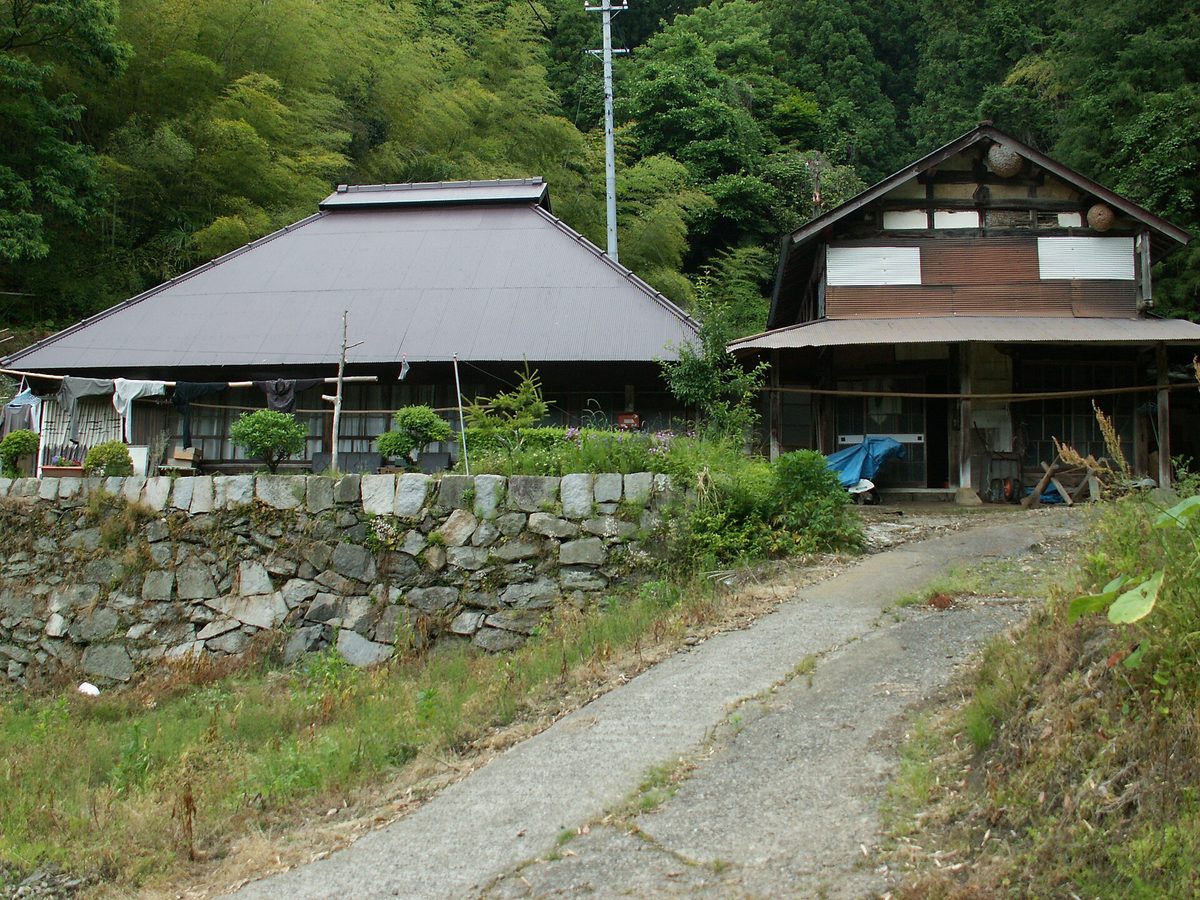
Part 4: Financing and mortgages for foreigners
Most foreign buyers who live abroad pay in cash. Japanese banks generally lend to permanent residents and to foreign residents with a stable job and several years in Japan, and only a handful of lenders offer loans to non-residents, usually with a large down payment. After years of near-zero rates, the Bank of Japan began raising interest rates in 2024, so do not assume that historically cheap Japanese mortgages are still available. If you need financing, borrowing against assets in your home country is often simpler.
Part 5: Does buying property give you a visa?
No. Buying a house in Japan does not give you a residence status, and there is no golden visa linked to real estate. Citizens of many countries, including the United States, the United Kingdom, Canada, Australia and the EU, can stay up to 90 days visa-free as visitors, which is enough to use a holiday home but not to live in it full time.
To live in Japan you need a separate status such as a work visa, a spouse visa or the Business Manager visa. The Business Manager requirements were tightened sharply in October 2025, including capital of at least 30 million yen and at least one full-time employee, so a property purchase alone is not a route to residence. Check the current Immigration Services Agency rules before you plan around any visa.
Part 6: Common mistakes foreign buyers make
- Buying a house without checking whether it can legally be rebuilt. A plot that does not touch a public road of at least 4 meters wide for at least 2 meters often cannot get a new building permit.
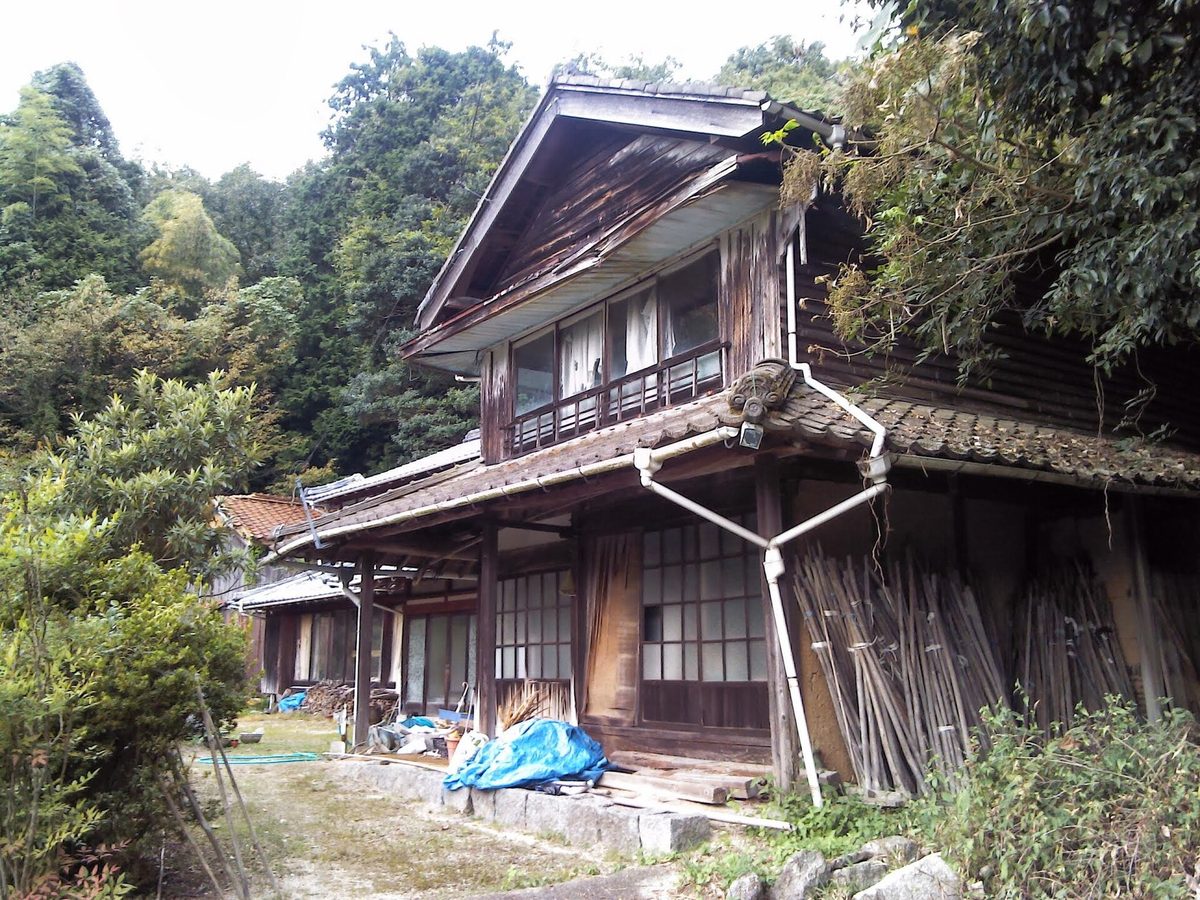
- Underestimating renovation. In many countryside houses the renovation costs more than the house.
- Ignoring the land category. Farmland, forest and land in an urbanisation control area each come with restrictions.
- Skipping the hazard map. Flood, landslide and tsunami zones affect safety, insurance and resale.
- Forgetting the running costs: property tax, insurance, a tax agent, snow clearing, garden upkeep and travel.
- Assuming you can rent it out freely. Short-term rentals are regulated, and many towns limit them further.
Summary
Buying property in Japan as a foreigner is legally simple and, for many people, financially attractive, especially with the yen where it is. The hard parts are practical: finding listings that only exist in Japanese, understanding the Important Matters Explanation, checking an old house properly and handling taxes and paperwork from abroad. Work with a licensed agent, a judicial scrivener and, if you are not in Japan, a coordinator who can be your eyes and ears on the ground.
Looking for a house in Japan?
We search Japanese listings and akiya banks, run video viewings and inspections, and handle the contract, registration, tax agent and remittances in English. The first 30-minute consultation is free.